How to Choose the Right Circuit Breaker for Your Home
Table Of Contents
Features to Look For
When selecting a circuit breaker, reliability is a key feature to consider. Look for units that demonstrate robust construction and a history of consistent performance. Breakers with a trip indicator can provide an additional layer of convenience, allowing for quick identification of faults. Moreover, features such as overload protection and short-circuit protection are essential. These elements ensure safety and prevent excessive currents from damaging appliances and wiring.
Another important consideration is the type of circuit breaker suitable for your needs. Standard breakers are common for household use, but if your home has specific requirements, such as frequent surges due to equipment like air conditioners, a surge protection device may be beneficial. The ability to reset a breaker quickly without replacement should also factor into your decision-making process. These characteristics contribute to both efficiency and safety in your electrical system.
Essential Characteristics of Quality Circuit Breakers
When selecting a quality circuit breaker, reliability and safety ratings stand out as key characteristics. A breaker should be able to consistently handle electrical loads without tripping unnecessarily under normal conditions. Look for options that meet or exceed Australian standards, ensuring they have been tested for both performance and safety. The material construction also plays a significant role; high-quality plastic enclosures and durable components can enhance longevity and reduce the risk of failure.
Another important feature is the trip mechanism. Many modern circuit breakers use thermal or electromagnetic systems to detect overloads and short circuits. Breakers with adjustable trip settings offer flexibility, allowing users to tailor the protection to their specific needs. Additionally, a visual indicator for tripped circuits can simplify maintenance, helping homeowners quickly identify and address electrical issues. A comprehensive warranty is also a sign of quality, reflecting confidence in the product’s durability and functionality.
Sizing Your Circuit Breaker
Choosing the appropriate size for your circuit breaker is crucial to ensure safety and efficiency in your electrical system. A circuit breaker needs to be sized correctly based on the electrical load it will protect. This load is typically determined by the devices and appliances that will be connected, as well as their amperage ratings. Understanding the combined wattage and potential future additions will assist in making an informed decision.
When assessing amperage, consider the National Electrical Code guidelines, which provide recommendations for various circuit applications. It's important to select a breaker that can handle the total load without tripping unnecessarily while still providing adequate protection against overloads and short circuits. If in doubt, consulting with a qualified electrician can help ensure that your choice aligns with both safety regulations and your specific electrical needs.
How to Choose the Right Amperage
Selecting the appropriate amperage for a circuit breaker is crucial for ensuring safety and efficiency in your home’s electrical system. Start by considering the total electrical load of the circuit. This involves adding up the wattage of all devices and appliances that will be connected to the circuit. It’s essential to account for both permanent fixtures and any portable devices you might use. Once you have the total wattage, convert this figure into amps using the formula: Amperage = Wattage / Voltage. In Australia, most homes operate on a standard voltage of 230V, making it simple to calculate the necessary amperage rating.
Keep in mind that local electrical codes may dictate specific requirements for amperage ratings based on the type of circuit and its intended use. Common ratings include 10A, 15A, and 20A for residential circuits. Additionally, it's advisable to choose a circuit breaker rated slightly higher than your calculated load to prevent nuisance tripping. However, avoid significantly overloading the breaker as this can lead to hazardous conditions. The balance between adequate protection and allowing for expected surges in demand is key to selecting the right amperage.
Professional Installation vs. DIY
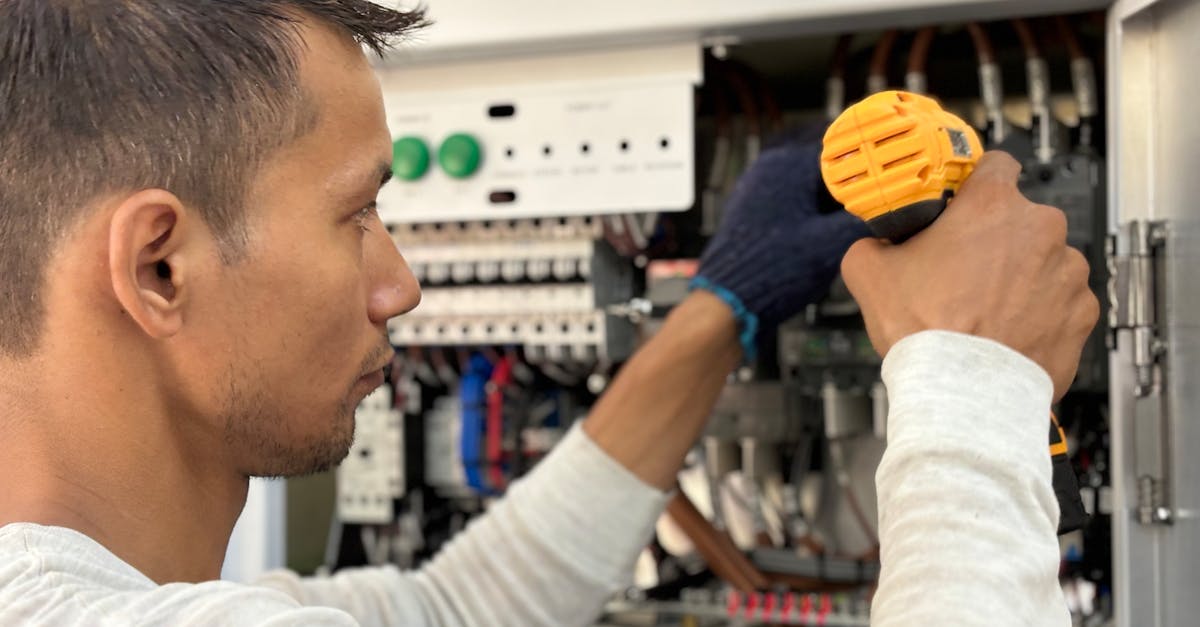
Choosing to install a circuit breaker involves careful consideration of your skills and the specifics of the electrical work required. Professional installation offers benefits such as expertise, warranty coverage, and adherence to local electrical codes. Electricians have the knowledge to handle potential complications that might arise during the installation process. This can save time and provide peace of mind, especially for those unfamiliar with electrical systems.
On the other hand, a DIY approach can be appealing for those with a strong understanding of home repair and electrical work. It allows for greater flexibility and can save on labour costs. However, this route comes with risks, including the potential for unsafe installations that could lead to hazards. Homeowners should weigh their own experience against the complexities of the task to determine the most suitable method for their situation.
Weighing the Pros and Cons of Each Approach
Choosing between professional installation and a DIY approach can significantly affect the quality and safety of your electrical work. Professional installation offers the advantage of expertise and experience, ensuring that the circuit breaker is correctly selected and installed according to local codes. This can provide peace of mind, especially for those unfamiliar with electrical systems. However, the cost associated with hiring a professional can be a concern for homeowners looking to save money.
On the other hand, a DIY installation can be a cost-effective option, allowing homeowners to learn about their electrical systems in the process. It can also offer a sense of accomplishment upon completion. Yet, this approach carries inherent risks, particularly if one lacks experience with electrical tasks. Mistakes can lead to safety hazards or electrical failures that may necessitate professional remediation, potentially offsetting any savings.
FAQS
What are the essential features to consider when choosing a circuit breaker?
When selecting a circuit breaker, it's important to consider features such as the type (standard or residual current device), amperage rating, voltage rating, breaking capacity, and the specific application (e.g., lighting, appliances) to ensure it meets your home’s electrical needs.
How do I determine the appropriate amperage for my circuit breaker?
To choose the right amperage, assess the total wattage of the devices on the circuit, divide that number by the voltage (typically 230V in Australia), and choose a circuit breaker with an amperage rating that comfortably accommodates the calculated load.
Is it advisable to install a circuit breaker myself or hire a professional?
While DIY installation can be cost-effective, hiring a licensed electrician is recommended for safety and compliance with local regulations. They possess the expertise to ensure proper installation and can handle any unforeseen issues.
What are the pros and cons of DIY circuit breaker installation?
The benefits of DIY installation include saving on labour costs and having a hands-on experience. However, the drawbacks include potential safety hazards, the risk of improper installation, and possible non-compliance with electrical codes, which could void insurance.
Can I mix different brands of circuit breakers in my switchboard?
It is not recommended to mix different brands of circuit breakers within the same switchboard, as compatibility issues may arise. Always opt for circuit breakers that are compatible with your existing switchboard and adhere to the manufacturer's specifications.
Related Links
How Circuit Breaker Upgrades Can Enhance Home Energy EfficiencyCircuit Breaker Upgrades: What Homeowners Need to Know
The Cost-Benefit Analysis of Circuit Breaker Upgrades
A Step-by-Step Guide to Upgrading Your Circuit Breaker
Understanding the Importance of Circuit Breaker Upgrades in Home Safety
The Role of Professional Electricians in Circuit Breaker Upgrades
Top Circuit Breaker Brands for Residential Use
Signs It’s Time to Upgrade Your Circuit Breaker
Common Myths About Circuit Breaker Upgrades Debunked