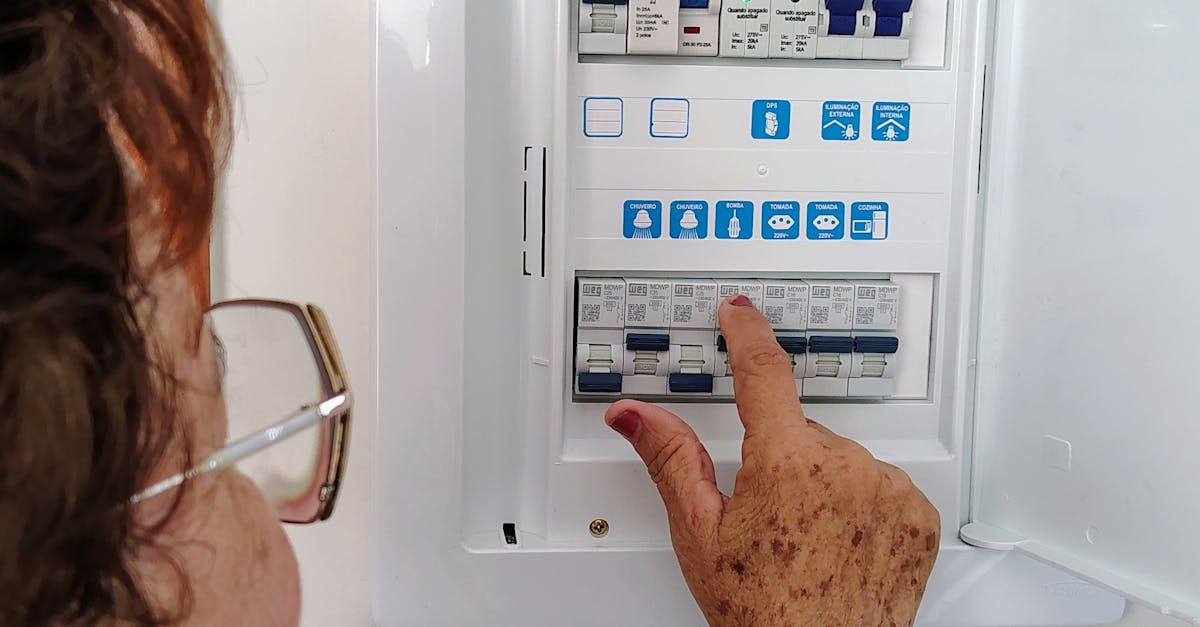
Circuit Breaker Upgrades: What Homeowners Need to Know
Table Of Contents
Choosing the Right Circuit Breaker for Your Home
When selecting a circuit breaker, it's essential to consider the specific electrical needs of your home. Look into the total amperage that your household appliances and systems require. For standard homes, breakers typically range from 15 to 30 amps for general use. It’s important to match the breaker’s capacity to your electrical load to avoid tripping and potential damages.
Compatibility with your existing electrical panel is another key aspect. Not all circuit breakers fit every panel model. Homeowners should ensure that they choose breakers designed for their specific panel brand and type. Seeking advice from a licensed electrician can help clarify the options and ensure a safe, effective selection.
Factors to Consider When Selecting Breakers
When selecting circuit breakers, it is essential to consider the electrical load requirements of your household. Understanding the total wattage of appliances and devices that will be connected can help ensure you choose breakers with the appropriate amperage. Overloaded circuits can lead to breaker trips or, worse, electrical fires. It is also crucial to assess whether your home’s current wiring can support the breakers you intend to install, which might require an evaluation from a professional electrician.
Another key aspect in the selection process is the type of breaker that best suits your needs. Common types include standard breakers, GFCI (Ground Fault Circuit Interrupter) breakers, and AFCI (Arc Fault Circuit Interrupter) breakers. Each type serves a specific purpose, such as providing additional protection against electrical shocks or preventing electrical fires caused by arcing faults. The environment in which these breakers will be used, like areas prone to moisture or humidity, should also guide your decision.
The Cost of Circuit Breaker Upgrades
Upgrading your circuit breaker can vary widely in cost, depending on several factors. Homeowners should consider the type of circuit breakers required, the existing electrical system's condition, and any necessary modifications to wiring or load capacity. Standard breakers may be less expensive, while advanced options like smart breakers can considerably increase costs. Additionally, labour fees should factor into the overall budget, as professional installation is generally recommended for safety and compliance with local regulations.
Budgeting for electrical improvements requires careful planning. It is advisable to get multiple quotes from licensed electricians to understand the market rates in your area. Homeowners should anticipate potential additional expenses, such as the need for new wiring or panels. Setting aside a contingency fund for unforeseen costs can help ensure the project stays within budget and is completed safely and effectively.
Budgeting for Your Electrical Improvements
Upgrading a circuit breaker can be a significant investment. Homeowners must first assess the current electrical demands of their household. Factors such as the number of appliances, the size of the home, and future expansion plans can influence the overall cost. It's wise to obtain multiple quotes from electricians to ensure a fair price. Additionally, taking into account permits and associated fees can help create a more accurate budget.
Setting aside funds for unexpected expenses is essential during this process. Electrical work can sometimes uncover hidden issues, such as outdated wiring or code violations. Having a contingency budget can alleviate stress and streamline the upgrade process. Balancing immediate costs with long-term benefits is crucial, as a well-functioning circuit breaker contributes to both safety and efficiency in the home.
DIY vs. Professional Circuit Breaker Installation
Homeowners considering circuit breaker upgrades often face the decision of whether to tackle the job themselves or hire a professional. DIY installation can be appealing due to the potential for cost savings and the sense of accomplishment that comes from completing a home improvement project. However, this approach requires a solid understanding of electrical systems, local codes, and safety protocols. Incorrect installation can lead to serious electrical hazards, putting both property and personal safety at risk.
On the other hand, enlisting a licensed electrician ensures that the installation meets all legal and safety standards. Professionals bring experience and expertise, which can be especially beneficial when addressing unique challenges that may arise during the installation process. Although hiring an electrician typically involves a higher upfront cost, the peace of mind knowing the job is done correctly and safely can outweigh the initial financial investment.
Weighing the Pros and Cons
Undertaking a DIY circuit breaker installation can seem appealing for those looking to save money on labour costs. Many homeowners possess basic electrical knowledge and may find online resources helpful. However, improper installation can lead to safety hazards and potential code violations. Ensuring compliance with local regulations is crucial, as failing to do so can create complications when selling the home or obtaining insurance.
On the other hand, hiring a professional brings a level of expertise that is hard to replicate. Licensed electricians can quickly identify underlying issues that might not be apparent to a novice. Their experience can also ensure that the new circuit breaker functions safely and efficiently. While the upfront cost may be higher, the long-term benefits in terms of safety and peace of mind are significant.
FAQS
What is a circuit breaker upgrade?
A circuit breaker upgrade involves replacing or enhancing your existing circuit breaker system to accommodate increased electrical demands, improve safety, and ensure compliance with current electrical standards.
How do I choose the right circuit breaker for my home?
When selecting a circuit breaker, consider factors such as your home's electrical load requirements, the types of appliances you use, your safety needs, and the compatibility with your existing electrical system.
What factors should I consider when selecting circuit breakers?
Key factors include the amperage rating, the type of circuit (single-pole or double-pole), the environment (e.g., indoor vs. outdoor), and whether you require additional features like GFCI (Ground Fault Circuit Interrupter) or AFCI (Arc Fault Circuit Interrupter) protection.
How much does a circuit breaker upgrade typically cost?
The cost of a circuit breaker upgrade varies based on factors such as the type and number of breakers, labour charges, and any necessary electrical work. On average, homeowners can expect to spend between AUD 1,500 and AUD 5,000.
Should I consider DIY installation of circuit breakers?
While some homeowners may feel comfortable attempting a DIY installation, it is generally safer and more advisable to hire a qualified electrician to ensure compliance with regulations and to handle any complexities associated with electrical work.
Related Links
The Cost-Benefit Analysis of Circuit Breaker UpgradesHow to Choose the Right Circuit Breaker for Your Home
A Step-by-Step Guide to Upgrading Your Circuit Breaker
Understanding the Importance of Circuit Breaker Upgrades in Home Safety
The Role of Professional Electricians in Circuit Breaker Upgrades
Top Circuit Breaker Brands for Residential Use
Signs It’s Time to Upgrade Your Circuit Breaker
Common Myths About Circuit Breaker Upgrades Debunked
How Circuit Breaker Upgrades Can Enhance Home Energy Efficiency