A Step-by-Step Guide to Upgrading Your Circuit Breaker
Table Of Contents
Safety Precautions Before Starting the Upgrade
Before beginning any electrical work, it is essential to turn off the power supply to the area where the upgrade will take place. This is typically done by switching off the main circuit breaker. Verify that the power is off by using a multimeter or voltage tester on the circuits you will be working with. This step helps prevent accidental shocks and ensures your safety during the upgrade process.
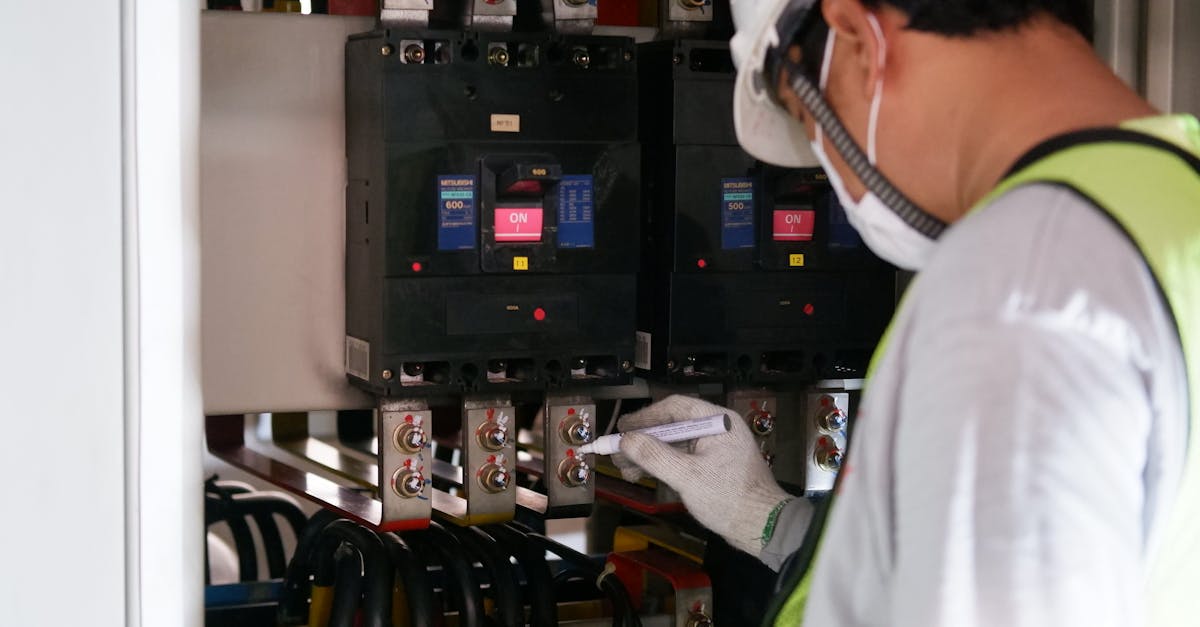
Wearing appropriate personal protective equipment (PPE) is also crucial. Insulated gloves will protect you from electrical currents, while safety goggles shield your eyes from debris. Make sure your work area is dry and free from any hazards, such as water or flammable materials. Clearing the space around the breaker box allows for better access and reduces the risk of trips and falls as you undertake the project.
Ensuring a Safe Working Environment
Creating a safe working environment is essential before starting any electrical project. Ensure the area is well-lit and free from clutter. Remove any materials that could obstruct your movement or create hazards. Use tools that are appropriate for the job and in good condition. Always wear personal protective equipment, such as insulated gloves and safety glasses, to minimise risks during the upgrade.
It's also important to turn off the main power supply to your home before you begin. This will help eliminate the risk of electrical shock while working with the circuit breaker. Inform others in your household about the planned work to prevent accidental energising of circuits. Having someone available to assist can provide an extra layer of safety, especially in the event of an emergency.
Step-by-Step Process for Upgrading Your Circuit Breaker
Assessing your current circuit breaker setup is essential before starting the upgrade. First, ensure that you have the right replacement circuit breaker ready. It should match the amperage rating and type needed for your electrical system. Next, turn off the main power supply to avoid any electrical hazards. Use a non-contact voltage tester to confirm that no power is flowing to the circuit you will be working on. This step is crucial for maintaining safety throughout the process.
After confirming that the power is off, remove the panel cover to access the circuit breakers. Carefully disconnect the wires from the old circuit breaker, taking note of their positions or labelling them for reference. Attach these wires to the corresponding terminals on the new breaker, ensuring a secure fit. Once everything is connected properly, replace the panel cover and turn the main power back on. Your upgraded circuit breaker should be ready for testing, ensuring it works as intended.
Detailed Instructions for Each Stage of the Upgrade
Begin by turning off the power supply at the main electrical panel. This is crucial as it ensures there are no live wires during the process. Once the power is off, use a voltage tester to confirm that the circuit is completely de-energised. Gather the necessary tools and materials, including screwdrivers, pliers, a new circuit breaker, and safety gear like gloves and goggles. Familiarise yourself with the layout of your circuit panel. Each breaker corresponds to specific circuits in your home, making it essential to identify which one needs replacement.
Next, remove the panel cover by unscrewing it and carefully pulling it away from the panel box. Take care not to disturb any other breakers. Unscrew the old circuit breaker from its position and gently disconnect the wires attached to it. Make a note of the connections for accurate reinstallation. Attach the new circuit breaker to the panel, ensuring that the wires are securely fastened and properly placed. Once everything is connected, replace the panel cover and ensure it is firmly in place before turning the power back on at the main panel.
Testing Your New Circuit Breaker
After completing the installation of your new circuit breaker, it is essential to ensure that everything is functioning properly. Begin the testing process by switching on the main power supply. Observe the circuit breaker for any unusual sounds or vibrations. A properly installed circuit breaker should remain stable. If any inconsistencies arise, it indicates a potential installation issue that requires immediate attention.
Next, use a multimeter to check the voltage on the various circuits connected to the breaker. This can confirm whether the correct voltage is being supplied. It’s important to test each circuit individually by turning on lights or appliances to see if they operate without interruptions. If any circuit trips or fails to operate, investigate further to identify the cause. Proper testing guarantees safety and functionality before relying on the new installation.
How to Ensure Everything is Functioning Properly
After installing your new circuit breaker, performing tests is crucial to ensure proper functionality. Start by switching on the main power supply. Observe any unusual sounds or signs indicating an issue. Use a multimeter to check voltage levels at the circuit breaker. Ensure that readings match the specifications outlined in the user manual.
Next, examine each individual circuit connected to the breaker. Turn on appliances and lights to see if they operate correctly. Monitor for any flickering lights or tripped breakers during this process. If everything appears to function as expected, your new circuit breaker is likely operating correctly. Sticky problems may require further investigation or assistance from a qualified electrician.
FAQS
What safety precautions should I take before upgrading my circuit breaker?
Before starting the upgrade, ensure you turn off the main power supply, wear appropriate safety gear such as gloves and goggles, and keep your workspace tidy to avoid accidents.
Can I upgrade my circuit breaker myself, or should I hire a professional?
While some homeowners may feel comfortable upgrading their circuit breaker, it is recommended to hire a licensed electrician, especially if you are not familiar with electrical systems, to ensure safety and compliance with regulations.
What tools will I need for upgrading my circuit breaker?
You will typically need insulated screwdrivers, pliers, a voltage tester, a multimeter, and possibly a circuit breaker replacement kit, depending on the specific requirements of your upgrade.
How can I test if my new circuit breaker is functioning properly?
After installation, switch on the power and use a voltage tester to check for proper voltage. You can also test by flipping on devices or appliances connected to the circuit to ensure they operate smoothly without tripping the breaker.
What should I do if my new circuit breaker keeps tripping?
If your new circuit breaker keeps tripping, first check for overloaded circuits or faulty appliances. If the issue persists, consult a licensed electrician to investigate potential underlying problems with your electrical system.
Related Links
The Cost-Benefit Analysis of Circuit Breaker UpgradesUnderstanding the Importance of Circuit Breaker Upgrades in Home Safety
Circuit Breaker Upgrades: What Homeowners Need to Know
The Role of Professional Electricians in Circuit Breaker Upgrades
Top Circuit Breaker Brands for Residential Use
Signs It’s Time to Upgrade Your Circuit Breaker
Common Myths About Circuit Breaker Upgrades Debunked