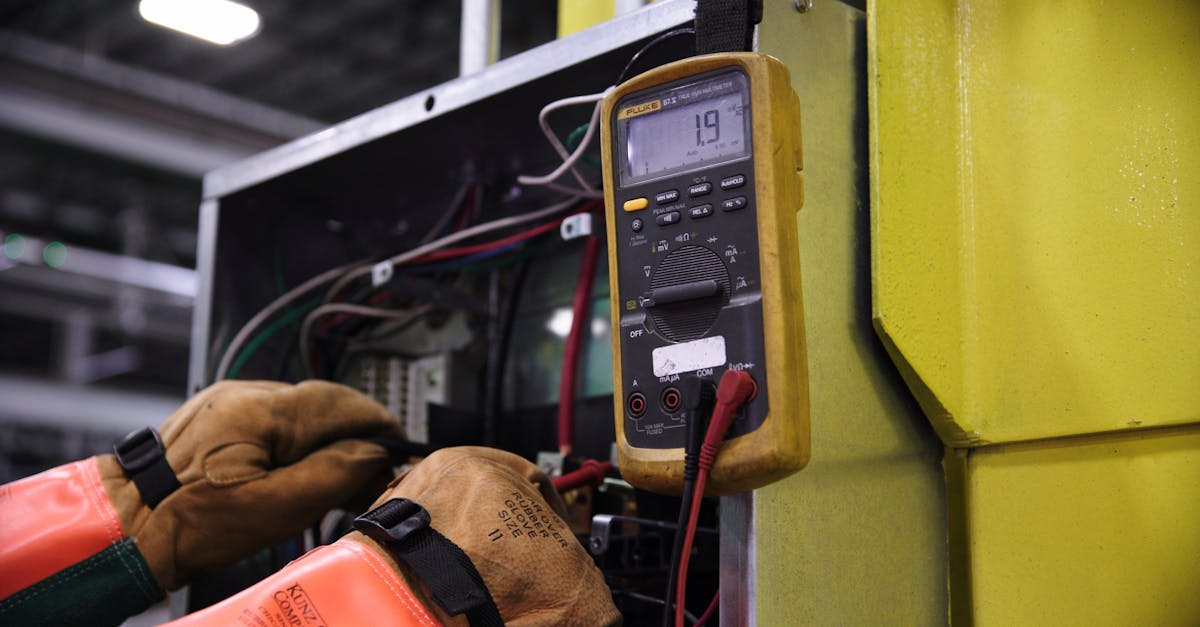
Key Considerations for Electrical System Inspections in Industrial Facilities
Table Of Contents
Role of Qualified Inspectors
Qualified inspectors play a vital role in maintaining the safety and efficiency of electrical systems in industrial facilities. Their technical expertise ensures that all components and configurations comply with stringent regulatory standards. These professionals are trained to identify abnormalities that could pose a risk to both personnel and equipment. They possess a keen understanding of the unique challenges presented in an industrial environment, allowing for thorough evaluations tailored to specific operational needs.
The proficiency of inspectors not only encompasses technical knowledge but also the ability to communicate findings clearly to stakeholders. They must convey complex information in an understandable manner to ensure that all parties are aware of potential issues. This communication aids in fostering a culture of safety and responsibility within the workplace. By establishing clear lines of communication between inspectors, management, and maintenance teams, the efficacy of electrical safety measures is significantly enhanced.
Ensuring Expertise in Evaluations
The effectiveness of electrical system inspections largely hinges on the qualifications and experience of the inspectors conducting them. Trained professionals bring a wealth of knowledge regarding regulatory standards and safety practices. Their awareness of the latest technologies and methodologies enables them to evaluate systems comprehensively. Selecting inspectors with specific experience in industrial environments ensures that they can identify potential issues unique to those settings.
Furthermore, ongoing training and professional development are critical components that contribute to an inspector's expertise. Keeping abreast of advancements in electrical systems as well as changes in safety regulations is essential. Facilities should prioritise working with inspectors who actively engage in continuous education. This commitment enhances their skills and underlines the value placed on maintaining safe operational environments.
Detecting Common Electrical Issues
Identifying common electrical issues is critical for maintaining safe and reliable operations in industrial facilities. Common problems include overloaded circuits, which can lead to overheating and potential fires. Loose connections can create arcing, posing serious hazards. Equipment failures, often stemming from lack of maintenance or outdated infrastructure, can disrupt production and increase costs.
Regular inspections are essential to prevent these issues from developing into larger problems. Inspectors should be equipped to recognise signs of wear and deterioration in wiring, circuit breakers, and other components. Implementing a proactive approach allows for timely repairs, reducing downtime and enhancing overall safety within the facility.
Identifying Electrical Hazards
Electrical hazards in industrial facilities can pose significant risks to both personnel and equipment. Identifying these hazards involves a systematic approach, focusing on the physical condition of electrical systems, including wiring and connections. Common indicators of potential issues include frayed insulation, loose connections, and signs of overheating. A thorough inspection should prioritise areas around machinery and high-usage circuit points which are often more prone to wear and tear.
Another essential aspect includes assessing compliance with relevant safety standards and regulations. Outdated or improperly installed systems can lead to serious malfunctions or accidents. Regular evaluations help in spotting outdated equipment, such as circuit breakers and protective devices that do not meet current standards. Ultimately, recognising these electrical hazards is crucial for preventing injuries and ensuring a safe working environment in industrial settings.
Documentation and Reporting
Accurate documentation and reporting are essential components of a comprehensive electrical system inspection. Detailed records should capture the findings, including any identified issues, recommended actions, and the overall condition of the electrical systems. Such documentation serves multiple purposes, aiding in compliance with regulations and facilitating future inspections. Properly annotated records help maintain clarity throughout the inspection process and support ongoing maintenance efforts.
Employing standardised reporting formats can enhance the reliability of data collected during inspections. This consistency ensures information is presented in a clear manner, making it easier for stakeholders to understand the condition of the electrical systems. Additionally, well-organised records can streamline communication with regulatory bodies and provide essential insights for long-term planning. Investing time in thorough documentation not only enhances safety but also contributes to the overall efficiency of facility operations.
Importance of Keeping Accurate Records
Accurate records are essential for maintaining the safety and efficiency of electrical systems in industrial facilities. These documents provide a comprehensive overview of inspection findings, maintenance activities, and any repairs conducted. By diligently recording this information, facilities can ensure compliance with regulations and standards set by governing bodies. Clear documentation aids in tracking the history of electrical equipment and systems, which is critical for recognising trends, scheduling preventative maintenance, and mitigating potential safety hazards.
Moreover, accurate records can serve as a valuable communication tool among various stakeholders, including maintenance teams, safety officers, and management. Having readily accessible records allows for informed decision-making regarding budget allocations and resource management. In addition, when issues arise, these documents offer critical insights that can expedite troubleshooting and resolution processes. Consistent documentation fosters accountability and promotes a culture of safety across the organisation, ultimately benefiting the overall operational integrity of the facility.
FAQS
Why is it important to hire qualified inspectors for electrical system inspections?
Hiring qualified inspectors ensures that the evaluations are conducted by professionals with the necessary expertise, which helps identify potential hazards and ensures compliance with safety regulations.
What are some common electrical issues found in industrial facilities?
Common electrical issues include overloaded circuits, loose connections, improper grounding, and outdated equipment, all of which can lead to safety risks and operational inefficiencies.
How can electrical hazards be identified during an inspection?
Electrical hazards can be identified through a thorough visual inspection, testing of equipment, and reviewing maintenance records to pinpoint areas of concern or non-compliance.
What is the significance of documentation and reporting in electrical system inspections?
Documentation and reporting are crucial as they provide a clear record of the inspection process, findings, and any corrective actions taken, which helps ensure ongoing safety and compliance in the facility.
How often should electrical system inspections be conducted in industrial facilities?
Inspections should be conducted regularly, typically on an annual basis or more frequently if there are significant changes in operations or following any incidents to ensure continued safety and reliability.
Related Links
How to Conduct Thorough Electrical System Inspections for MachineryThe Role of Electrical System Inspections in Preventing Industrial Downtime
Advanced Tools and Techniques for Electrical System Inspections
Understanding the Compliance Requirements for Electrical System Inspections
Implementing a Schedule for Electrical System Inspections in Industrial Plants
Best Practices for Documenting Electrical System Inspection Findings
Common Issues Identified During Electrical System Inspections in Industry
Benefits of Regular Electrical System Inspections for Industrial Operations
The Importance of Comprehensive Electrical System Inspections in Industrial Settings