How to Conduct Thorough Electrical System Inspections for Machinery
Table Of Contents
Evaluating Circuit Breakers and Fuses
Proper evaluation of circuit breakers and fuses is essential for maintaining electrical safety and system reliability. Inspecting these components helps identify potential issues before they lead to equipment failure or safety hazards. Look for any signs of physical damage, such as cracks or corrosion, which can impair their functionality. Additionally, ensure that circuit breakers trip at the correct ratings, as faulty breakers may not provide adequate protection against overloads or short circuits.
Regular functionality testing is also critical for circuit breakers and fuses. This assessment can involve manual or automated testing methods, which simulate conditions to ensure that these components respond appropriately to overloads. Documenting the results of these evaluations creates a comprehensive maintenance record. This record can be invaluable during audits and assists in making informed decisions about necessary repairs or replacements.
Signs of Wear and Tear
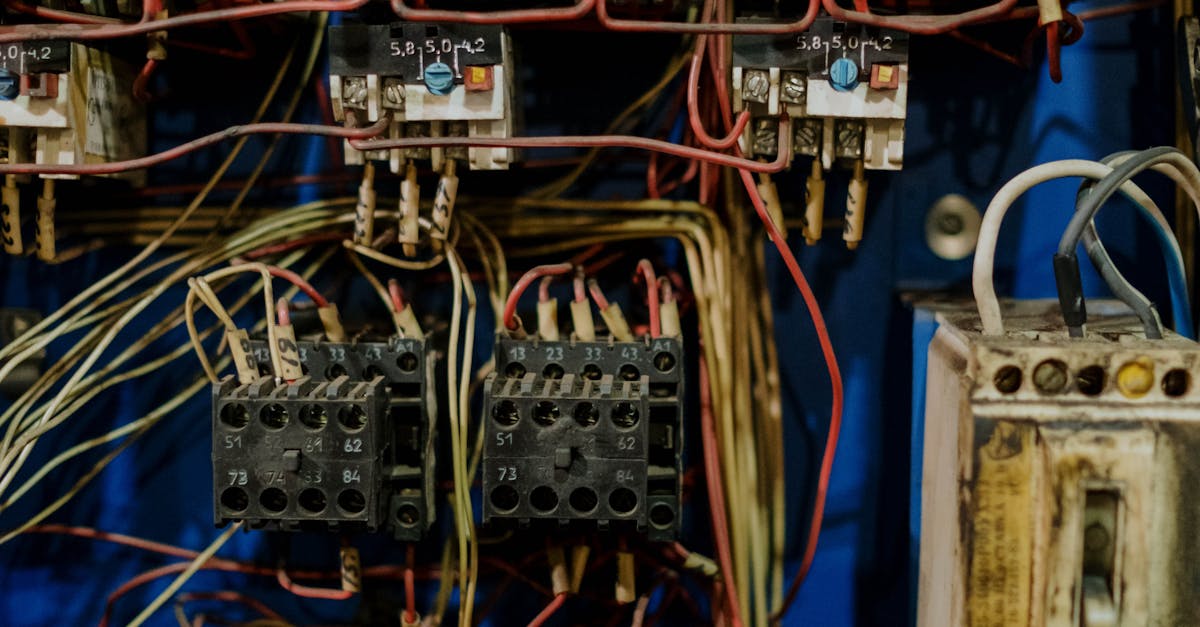
Regular observation of electrical components can reveal critical signs of wear that may indicate potential failures. Look for discolouration or scorching on circuit breakers and fuses, as these often signal overheating or overheating damage. Loose connections or physical damage to terminals can also lead to poor performance, increasing the risk of electrical faults or hazards. Inspecting for cracked insulation or exposed wiring is vital, as these can compromise safety and efficiency in operations.
It is essential to remain vigilant for unusual noises during the operation of machinery. Buzzing or humming sounds may suggest an overloaded circuit or issues with grounding. Additionally, overheating components may emit a hot smell, indicating that parts are failing or not functioning optimally. Regularly checking these visual and audible cues can help catch problems early in the inspection process, ensuring safer and more efficient machinery operation.
Assessing Insulation Resistance
Insulation resistance is critical for the safe operation of electrical machinery. Low insulation resistance can indicate deterioration, which may lead to short circuits or equipment failure. Regular assessments help ensure that insulation remains effective, preventing electrical leaks that could pose safety hazards. A consistent monitoring schedule aids in identifying potential issues before they escalate, minimising downtime and repair costs.
There are various methods for evaluating insulation resistance, including the use of a megohmmeter or insulation resistance tester. These devices apply a high voltage to the insulation while measuring the resistance it provides. It is essential to follow manufacturer guidelines and industry standards during testing. Proper procedures will ensure accurate readings and determine whether the insulation meets the required standards for safe operation.
Methods for Testing Insulation
Testing insulation resistance is a critical step in ensuring the safety and reliability of electrical systems. One conventional method involves using a megohmmeter, which applies a high voltage to the insulation to measure resistance. This device provides a quantitative value that indicates whether the insulation is adequate. The results can help identify any areas of deterioration or failure that could lead to safety hazards or equipment malfunction.
Another approach is the insulation resistance test at various temperatures. This method takes into account that temperature affects resistance readings, allowing for a more accurate assessment of the insulation's condition. Conducting these tests periodically helps maintain machinery reliability, ensuring that any issues can be addressed before they compromise the operation. Such proactive measures contribute to a safer work environment and extend the lifespan of electrical components.
Measuring Voltage and Current Levels
Accurate measurements of voltage and current are essential for assessing the health of an electrical system in machinery. Regular monitoring helps identify potential issues before they escalate into significant failures. Using a multimeter provides a reliable way to take these readings. Ensuring the correct settings on the multimeter is vital. For current measurements, clamp meters can be especially useful, allowing for non-invasive readings without disrupting the circuit.
Employing the right tools significantly enhances the precision of voltage and current measurements. Digital multimeters are preferred for their ease of use and accuracy. They typically offer functions such as auto-ranging and data hold, providing convenience during inspections. When measuring voltage directly, care should be taken to ensure proper connections to avoid short circuits. Regular calibration of tools is also important to maintain measurement integrity and reliability over time.
Tools Required for Accurate Measurements
Accurate measurements are crucial for ensuring the safety and efficiency of electrical systems. To achieve this, a variety of tools should be employed. A digital multimeter is an essential device for measuring voltage, current, and resistance. Its versatility makes it invaluable for troubleshooting various electrical components. Clamp meters are useful for measuring current in conductors without needing to disconnect them, making them practical for quick assessments. Oscilloscopes enable analysis of waveforms, granting insights into the behaviour of electrical signals.
Beyond these primary tools, insulation resistance testers play a vital role in evaluating the integrity of insulation within circuits. These testers provide readings that help identify potential failures before they become critical issues. Furthermore, power quality analyzers offer comprehensive analysis of electrical systems, ensuring that all parameters remain within acceptable limits. Investing in reliable tools enhances the accuracy of measurements and promotes long-term operational safety of machinery.
FAQS
What is the importance of conducting electrical system inspections for machinery?
Conducting regular electrical system inspections is crucial to ensure the safety, efficiency, and reliability of machinery. It helps identify potential issues before they escalate, preventing equipment failure and reducing downtime.
How often should electrical system inspections be performed?
The frequency of inspections can vary depending on the machinery's usage, environment, and manufacturer's recommendations. However, it is generally advisable to conduct inspections at least annually or more frequently for machinery operating in harsh conditions.
What signs of wear should I look for when evaluating circuit breakers and fuses?
Look for physical signs such as discoloration, corrosion, burnt marks, or any cracks in the casing. Additionally, check for any tripping or failure to reset, which may indicate internal damage.
What methods can I use to test insulation resistance?
Common methods for testing insulation resistance include the use of a megohmmeter, which applies a high voltage to the insulation and measures resistance. You can also use an insulation tester to ensure circuits are safe and not leaking current.
What tools are essential for measuring voltage and current levels accurately?
Essential tools include a multimeter for voltage and current measurement, clamp meters for non-invasive current readings, and oscilloscopes for monitoring electrical signals. These tools will help ensure accurate and reliable measurements during inspections.
Related Links
The Importance of Comprehensive Electrical System Inspections in Industrial SettingsKey Considerations for Electrical System Inspections in Industrial Facilities
The Role of Electrical System Inspections in Preventing Industrial Downtime
Advanced Tools and Techniques for Electrical System Inspections
Understanding the Compliance Requirements for Electrical System Inspections