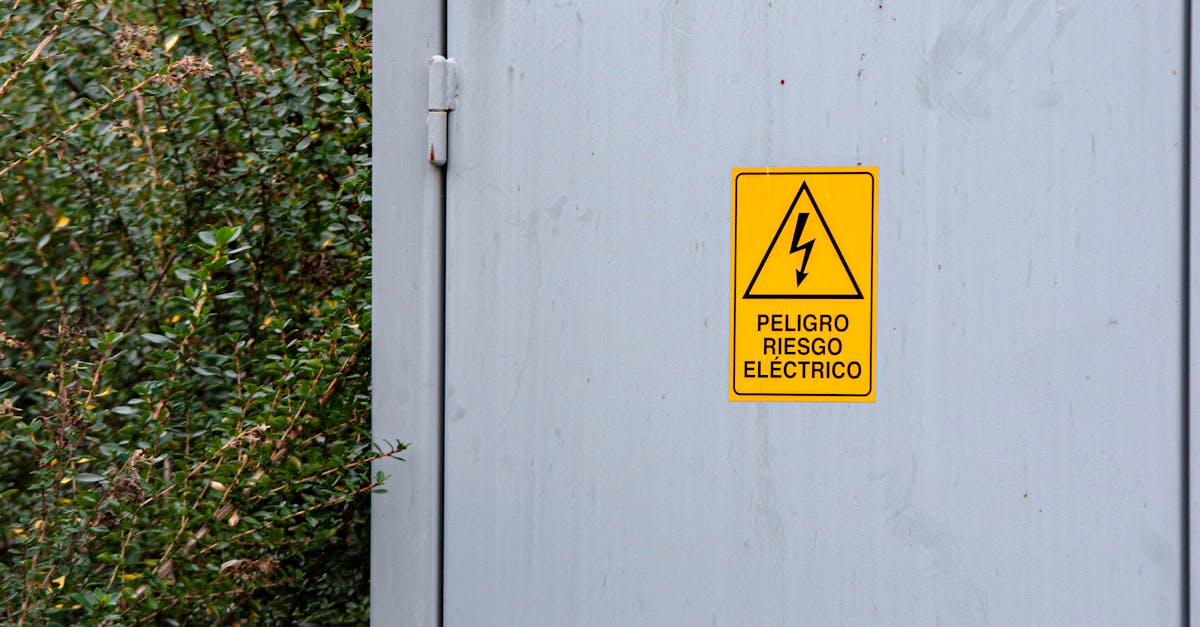
How to Prepare Your Home for an Electrical Safety Inspection
Table Of Contents
Evaluating Light Fixtures and Ceiling Fans
Light fixtures and ceiling fans play a vital role in the overall safety and aesthetic of your home. Start by ensuring that all light bulbs are properly rated for the fixtures installed. This includes checking wattage limits and replacing any burnt-out bulbs. Examine the fixtures themselves for signs of wear or damage. Look for cracks in glass covers and check for loose connections, which can pose a risk of electrical short circuits or fires.
When it comes to ceiling fans, confirm that they are securely mounted to the ceiling. The fan should operate smoothly without excessive wobbling or noise. Inspect the pull cords for fraying and test the switches to ensure they function correctly. A safe ceiling fan should have all its components intact, including blades that are not chipped or broken, to maintain both safety and optimal airflow in your living spaces.
Ensuring Secure Placement and Functionality
Ensure that all light fixtures and ceiling fans are securely mounted to their respective ceiling boxes. Inspect the mounting brackets and screws for tightness. Loose fixtures not only pose a risk of falling but can also create hazards like exposed wires. It helps to gently test the stability of each fixture by giving it a light tug to see if it moves.
Functionality also plays a crucial role in the safety of these electrical installations. Turn on each light fixture and fan to confirm they operate correctly. Flickering lights or fans that do not operate as intended may indicate underlying electrical issues. Addressing these problems before an inspection can provide peace of mind and demonstrate a commitment to electrical safety.
Assessing Electrical Appliances
When preparing for an electrical safety inspection, it is essential to closely inspect all electrical appliances in your home. Look for any visible signs of damage, such as frayed cords, burnt plugs or exposed wiring. If any appliances have been recalled due to safety concerns, ensure they are no longer in use. Checking for compliance with relevant Australian standards is crucial in this process. Refer to the manufacturer’s instructions to confirm that each appliance is safe and appropriate for its intended use.
In addition to physical inspections, consider the age and functionality of your appliances. Older units may not meet current safety regulations or energy efficiency guidelines. Ensure that all appliances are grounded properly and that any power points used are in good condition. It’s wise to assess whether each appliance operates effectively without overloading your circuits. Knowing the history of your electrical appliances can also contribute to a smoother inspection process.
Checking for Damage and Compliance
Inspecting your electrical appliances for any signs of wear and damage is essential to maintain safety within your home. Look for frayed cords, damaged plugs, or any unusual odours that may indicate a problem. Each appliance should be examined individually. Compliance with Australian standards is vital, so ensure that appliances have the required certification marks, indicating they meet safety regulations.
Additionally, consider the age of your appliances and their energy ratings. Older models may not only pose safety risks but may also be less energy-efficient. If you discover any appliances that do not meet compliance or are in poor condition, it may be time to replace them. This not only ensures the safety of your household but also contributes to lower energy costs in the long run.
Documenting Your Electrical System
Maintaining accurate records of your electrical system is essential for ensuring safety and compliance. Documentation should include details about the age and condition of wiring, circuit breakers, and any previous inspections or upgrades. This information will help the inspector identify potential issues more effectively. Keeping an updated log of any repairs or modifications made to your system can significantly enhance the inspection process.
Additionally, it is crucial to take note of your electrical panel's layout. Ensure that all circuits are labelled correctly, which can simplify both future inspections and everyday use. A diagram or a list of circuits might assist in understanding which areas of your home are powered by specific circuits. Proper records not only facilitate the inspection but also contribute to the overall safety and efficiency of your electrical system.
Keeping Records of Previous Inspections
Maintaining thorough records of any previous electrical inspections can streamline the process when preparing for a new assessment. These documents provide invaluable insights into the current state of your electrical system. They may include details such as past repairs, observed issues, and any recommendations made by previous inspectors. This information can help both you and the inspector identify recurring problems or areas that may need special attention during the current evaluation.
In addition to aiding the inspection, having a well-organised record can enhance safety compliance. It demonstrates a proactive approach to maintaining your electrical systems. Keeping these files readily available allows for easier reference and may even encourage timely upgrades or repairs. This diligence can ultimately lead to a safer living environment and mitigate potential hazards.
FAQS
What is an electrical safety inspection?
An electrical safety inspection is a thorough examination of your home's electrical system, including wiring, light fixtures, outlets, and appliances, to ensure they meet safety standards and function properly.
Why should I prepare my home for an electrical safety inspection?
Preparing your home for an electrical safety inspection helps identify potential hazards, ensures compliance with safety regulations, and can prevent future electrical issues that may pose risks to you and your property.
How can I evaluate light fixtures and ceiling fans before an inspection?
Check that all light fixtures and ceiling fans are securely mounted, properly functioning, and free of any damage. Ensure that bulbs are the correct wattage and that there are no exposed wires.
What should I look for when assessing my electrical appliances?
Inspect your electrical appliances for any visible signs of damage, such as frayed cords or broken plugs. Ensure all appliances are compliant with safety standards and that they have the necessary certifications.
Why is documenting my electrical system important?
Keeping records of your electrical system, including previous inspections, upgrades, and repairs, provides valuable information for inspectors and helps track the condition and compliance of your electrical system over time.
Related Links
Common Electrical Safety Hazards Found in Residential InspectionsThe Role of Electrical Safety Inspections in Preventing Fires
The Benefits of Scheduling Annual Electrical Safety Inspections
Key Indicators That Your Home Needs an Electrical Safety Inspection
Importance of Regular Electrical Safety Inspections in Homes