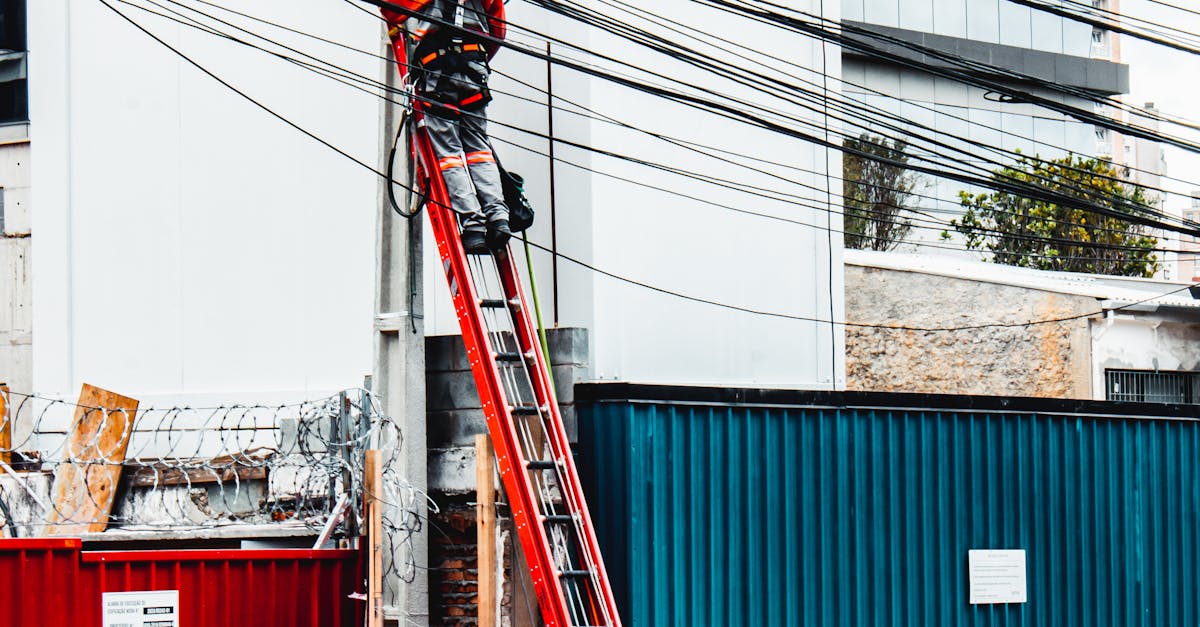
Importance of Regular Electrical Safety Inspections in Homes
Table Of Contents
The Role of Qualified Electricians
Qualified electricians play a crucial role in ensuring the safety and efficiency of your home’s electrical systems. Their expertise not only covers wiring and installation but also troubleshooting and maintaining various electrical components. By performing regular inspections, they can identify potential hazards, implement safety measures, and ensure that all installations comply with current regulations.
Professional electricians utilise their training and experience to recognise issues that may not be evident to the average homeowner. They have a deep understanding of the electrical codes, industry standards, and the specific requirements of different properties. This knowledge allows them to provide sound advice and timely interventions, which significantly reduces the risk of electrical failures and hazards in residential settings.
Why Professional Assessments Are Essential
Professional assessments play a crucial role in maintaining electrical safety within homes. Licensed electricians possess the training and expertise to identify potential risks that may go unnoticed by an untrained eye. They adhere to the latest regulatory standards and utilise advanced tools to thoroughly evaluate an electrical system. This level of scrutiny ensures any underlying issues are addressed before they escalate, reducing the risk of incidents such as electrical fires or shocks.
Relying on qualified professionals not only guarantees safety but also provides peace of mind. Homeowners can feel confident knowing that their electrical systems are being evaluated by specialists who understand the complexities of wiring, circuit loads, and grounding techniques. Engaging in regular inspections conducted by experienced electricians fosters a proactive approach to home safety, ultimately saving time and money by preventing costly repairs in the future.
Signs That Your Home Needs an Inspection
Homeowners should be vigilant about certain signs that may indicate an underlying electrical issue. Frequent circuit breaker trips or blown fuses often signal that the electrical system is overloaded or damaged. Flickering lights can also suggest wiring problems or faulty connections, potentially posing a safety risk. Even unusual smells, like burning or melted plastic, should not be ignored and warrant immediate attention.
Another sign that inspections are necessary includes an increase in energy bills without a corresponding rise in usage. This could indicate inefficiencies in the electrical system, possibly due to outdated wiring or malfunctioning appliances. Additionally, if any electrical outlets produce a tingling sensation when touched, it is a clear signal that professional inspection is crucial to prevent potential hazards. Early detection through inspections can save homeowners from more significant issues down the line.
Red Flags That Indicate Potential Problems
Flickering lights and frequently blown fuses are common indicators of underlying electrical issues within a home. These symptoms may result from overloaded circuits or faulty wiring. If multiple lights dim or flicker when certain appliances are in use, this can suggest that the electrical system struggles to handle the load. Additionally, constantly replacing blown fuses or resetting circuit breakers can indicate that the current setup is unable to cope with the demand.
Unusual odours, particularly the scent of burning plastic or insulation, should never be ignored, as they may signify overheating wires. This poses a serious fire hazard. Another warning sign includes outlets that are warm to the touch. Such conditions often point to poor connections or faulty devices. Both issues require immediate professional attention to prevent potential disasters.
The Inspection Process Explained
A thorough electrical safety inspection begins with a comprehensive visual assessment of the home's electrical system. Qualified electricians look for signs of wear and tear, such as frayed wires or exposed connections. They also inspect circuit breakers, outlets, and panels to ensure they function correctly. This initial evaluation is crucial for identifying immediate hazards that could lead to more significant issues.
Following the visual assessment, testing procedures are conducted to check the integrity and performance of electrical components. Electricians may use specialised tools to measure current loads, inspect grounding systems, and assess voltage levels. These tests help identify potential safety concerns not immediately visible. After completing the inspection, the electrician will provide a detailed report outlining their findings and any recommended actions.
Step-by-Step Overview of What to Expect
During an electrical safety inspection, the qualified electrician will first assess the overall condition of the electrical system in your home. This involves checking the main switchboard, circuit breakers, and the presence of safety switches. They will also look for any outdated wiring that may not meet current standards. Attention will be paid to the overall layout of circuits, ensuring they are appropriately rated for the needs of your household.
Following the initial assessment, the electrician will conduct various tests to ensure the safety and functionality of the system. These tests may include checking the earthing system and inspecting the electrical fittings throughout the home. They'll also look for signs of wear or damage, such as frayed wiring or overheating outlets. A comprehensive report detailing their findings will be provided, highlighting any areas that require immediate attention or future monitoring.
FAQS
What is the purpose of an electrical safety inspection?
The purpose of an electrical safety inspection is to identify any potential hazards or issues in a home’s electrical system, ensuring safety and compliance with current standards.
How often should I have my home’s electrical system inspected?
It is generally recommended to have your home’s electrical system inspected every 3 to 5 years, but more frequent inspections may be necessary for older homes or if you notice any signs of electrical problems.
What are some common signs that my home may need an electrical inspection?
Common signs include frequent circuit breaker trips, flickering lights, buzzing or sizzling sounds from outlets, and the presence of scorch marks around outlets or switches.
Can I perform an electrical inspection myself?
While you can check for obvious signs of problems, it is advisable to hire a qualified electrician for a comprehensive inspection, as they have the expertise to identify hidden issues and ensure compliance with safety standards.
What should I expect during an electrical safety inspection?
During an inspection, a qualified electrician will assess the entire electrical system, including wiring, outlets, switches, and the main panel. They will check for safety compliance, potential hazards, and provide recommendations for any necessary repairs or upgrades.
Related Links
Key Indicators That Your Home Needs an Electrical Safety InspectionUnderstanding the Electrical Safety Inspection Process for Homeowners
The Benefits of Scheduling Annual Electrical Safety Inspections
Identifying Outdated Wiring During Electrical Safety Inspections
What Homeowners Should Expect from a Professional Safety Inspection