How to Identify Electrical Emergencies in Your Residence
Table Of Contents
Shocks and Tingling Sensations
Experiencing shocks or tingling sensations when touching appliances or electrical outlets is a clear indicator of potential electrical problems. These sensations can arise from faulty wiring, improper grounding, or damaged insulation. It is crucial to take such warnings seriously, as they may signal hazardous conditions that could lead to severe accidents or even house fires.
If you encounter these sensations, avoid using the affected outlet or appliance until a professional electrician assesses the situation. It is also wise to refrain from attempting to troubleshoot the issue yourself. A trained expert can identify the source of the problem, ensuring that your home remains safe and free from electrical hazards. Prioritising your safety and the efficiency of your home's electrical system is essential.
What to Do When You Feel a Shock
Experiencing a shock can be alarming and should not be taken lightly. If you feel a shock while using an electrical appliance, immediately stop using it and unplug the device if it is safe to do so. Assess your surroundings for any potential hazards that could have caused the shock. Do not touch the appliance again until you have ensured it is safe.
It’s essential to seek medical attention if the shock causes any burns, prolonged discomfort, or unusual symptoms. Even minor shocks can sometimes lead to complications, so it's wise to consult a professional. After addressing your health, consider contacting a qualified electrician to investigate the source of the electrical problem in your home. Make sure to detail what occurred to assist them in diagnosing the issue effectively.
Burning or Melted Wires
Discolouration of wires can indicate overheating, which poses significant safety risks. Signs include a burnt or melted appearance, along with an acrid smell reminiscent of burnt plastic. These indicators generally suggest that electrical current is exceeding what the wiring can handle. Ignoring such warning signs can lead to catastrophic failures or even fires, making it essential to act promptly when these conditions are observed.
It is crucial to conduct regular inspections of visible wiring, especially in high-load areas such as kitchens and home offices. If you notice any deterioration, contact a qualified electrician without delay. Attempting to remedy serious issues without proper expertise could exacerbate the situation. Prioritising safety and seeking professional assistance ensures that your home's electrical system remains safe and functional.
Signs of Serious Electrical Issues
Unusual odours emanating from electrical outlets or appliances can signal severe issues. A burning smell often indicates overheating wires or components. Discolouration around outlets suggests that the electrical connections are compromised. In extreme cases, an acrid smell can precede potential fires. Taking such signs seriously is essential to prevent hazardous situations.
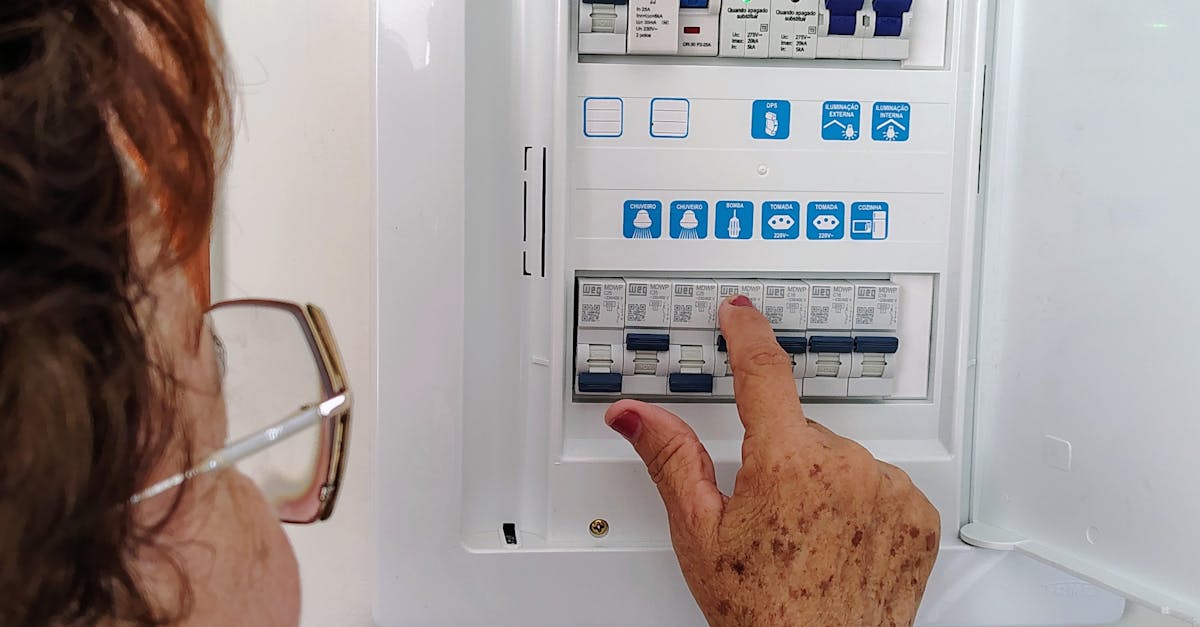
Additionally, frequent circuit breaker trips may point to overloaded circuits or faulty wiring. If fuses blow regularly or breakers reset without apparent reason, it’s time to investigate further. Appliances that fail to operate correctly might also be a symptom of broader electrical problems. Regularly monitoring these signs can help maintain a safe environment in your home.
Appliances Operating Erratically
Malfunctioning devices often indicate underlying electrical problems. It is common to experience appliances that turn on and off unexpectedly, flicker lights, or fail to operate at their usual capacity. These irregularities may stem from faulty wiring, overloaded circuits, or deteriorating connections within the electrical system. In some cases, a specific appliance may cause issues, reflecting problems like a short circuit or a blown fuse.
Paying attention to how your appliances behave can provide vital clues about potential electrical dangers. Unusual smells, excessive heat, or odd noises accompanying these erratic behaviours are also significant warning signs. Addressing issues promptly can prevent larger problems, such as fires or severe damage to your home’s wiring. Regular maintenance of electrical systems and vigilance regarding appliance performance are essential for ensuring safety.
Recognising Malfunctioning Devices
Electrical appliances can exhibit various signs when they are malfunctioning, often serving as critical indicators of underlying issues. A common sign is an unusual smell, such as a burnt odour or plastic fumes, which can signal overheating or internal damage. Additionally, devices that fail to turn on or switch off unexpectedly may indicate problems with their internal components or connections. Observing any flickering lights or unusual noises from appliances can also point to malfunctions that require immediate attention.
Routine checks of appliance performance are essential in identifying potential faults before they escalate into serious issues. If a device operates intermittently or requires frequent resets, there might be a deeper electrical problem at play. It is crucial to be aware of any sudden increase in energy consumption, which can suggest inefficiency or a malfunctioning energy source. Noticing these warning signs can help prevent hazardous situations and ensure the safety of a home’s electrical system.
FAQS
What are the common signs of electrical emergencies in my home?
Common signs include shocks or tingling sensations when touching appliances, burning or melted wires, and appliances operating erratically.
What should I do if I feel a shock while using an appliance?
If you feel a shock, immediately stop using the appliance and unplug it if safe to do so. Seek the help of a qualified electrician to inspect the appliance and the electrical system.
How can I identify burnt or melted wires in my home?
Look for discolouration, frayed insulation, or a burning smell near outlets and fixtures. If you notice any of these signs, it's crucial to contact a licensed electrician for assessment.
What are the potential risks of using malfunctioning appliances?
Using malfunctioning appliances can lead to further damage, electrical fires, or electric shocks. It's best to unplug them and consult a professional for repair or replacement.
When should I call an electrician for an electrical emergency?
You should call an electrician if you experience persistent shocks, burning wires, frequent tripping of circuit breakers, or any unusual behaviour from your electrical devices. It's always better to err on the side of caution.
Related Links
Essential Emergency Electrical Services for Homes in BerwickTop Emergency Electrical Issues Faced by Berwick Homeowners
Navigating Residential Electrical Emergencies with Professional Help
After-Hours Emergency Electrical Services: What to Expect
Safety Protocols for Residential Emergency Electrical Repairs
Common Electrical Failures and Emergency Solutions
Emergency Power Restorations for Berwick Residential Properties