Navigating Residential Electrical Emergencies with Professional Help
Table Of Contents
Responding to Power Outages
When facing a power outage, the initial step is to assess the situation. Check if your neighbours are also experiencing a loss of power. This can provide insight into whether the issue is localised or more widespread. If you find that the blackout is affecting more than just your home, it may be due to a fault with the electricity network. In such cases, staying tuned to local news or utility company updates can be beneficial for information about the outage and estimated restoration times.
If the power outage is confined to your residence, inspect your circuit breakers. Sometimes, a tripped breaker can be the cause of the blackout. If you identify that a breaker has tripped, the next step is to reset it by flipping the switch back to the “on” position. It is essential to ensure that the reason for the trip, such as an overloaded circuit or a faulty appliance, is addressed to prevent a recurrence. Safety should always be a priority, so if you have any doubts about the situation, contacting a qualified electrician is advisable.
Tips for Managing Electrical Blackouts
During a power outage, it’s essential to ensure safety and comfort while waiting for supply restoration. Start by checking your flashlight batteries and gathering other essential supplies such as water, non-perishable food, a first-aid kit, and necessary medications. Keep your refrigerator and freezer doors closed to maintain a lower temperature inside. On hot days, prioritise hydration and stay cool, and on colder days, dress warmly and use blankets.
Monitoring updates from your electricity provider can help you stay informed about the situation. Many companies now provide real-time updates through their official websites or mobile apps. If the blackout extends beyond a few hours, consider alternatives such as portable chargers for your devices or battery-operated lanterns. Taking these steps can enhance your overall comfort and safety during a blackout, making the waiting period more manageable.
Dealing with Electrical Fires
Electrical fires pose serious threats to safety and property. They can ignite from various sources, such as faulty wiring, overloaded circuits, or malfunctioning appliances. Recognising the early signs of a potential electrical fire is crucial. Strange smells, flickering lights, and unusual noises from devices are all warning signals that should not be ignored. Homeowners must remain vigilant and educate themselves on these warning signs to act promptly when issues arise.
In the event of a fire, the primary focus should be on safety. Evacuating the building immediately is essential, followed by contacting emergency services. Never attempt to extinguish a fire that appears to be out of control. If it’s safe to do so, using a fire extinguisher can be effective for small fires, particularly ones caused by electrical issues. However, remember that safety comes first. Ensure all occupants are accounted for before addressing the situation with firefighting measures or calling for professional help.
Immediate Actions to Ensure Safety
In the event of an electrical fire, prompt action is crucial for ensuring safety. First, evacuate everyone from the premises immediately and call emergency services. Do not attempt to extinguish a fire unless you are confident it is safe to do so. If flames or smoke are visible, prioritise getting to safety without hesitation.
If you encounter smoke, crouch low to avoid inhaling toxic fumes. Close doors behind you as you exit, which can help slow the spread of fire. Once outside, stay clear of the building and wait for emergency personnel to arrive. In these situations, it's vital to remain calm and act swiftly, as reactions can significantly impact the outcome.
Understanding Circuit Breakers
Circuit breakers serve as critical components in electrical systems, designed to protect homes from overloads and short circuits. These devices monitor the flow of electricity, automatically disconnecting power when they detect an issue. Each breaker corresponds to a specific circuit, allowing for targeted management of electrical usage. Understanding the roles and functions of each breaker is essential for homeowners, as it simplifies troubleshooting and enhances safety.
When a circuit is overloaded, the breaker trips, preventing potential damage to the wiring and reducing the risk of electrical fires. Re-setting a tripped breaker is usually a straightforward process, involving flipping the switch back to the "ON" position once the issue has been addressed. Homeowners should familiarize themselves with their breaker panel and its configuration, as this knowledge can aid in identifying which area of the house is affected and assists in effective troubleshooting during electrical emergencies.
How to Reset a Tripped Breaker
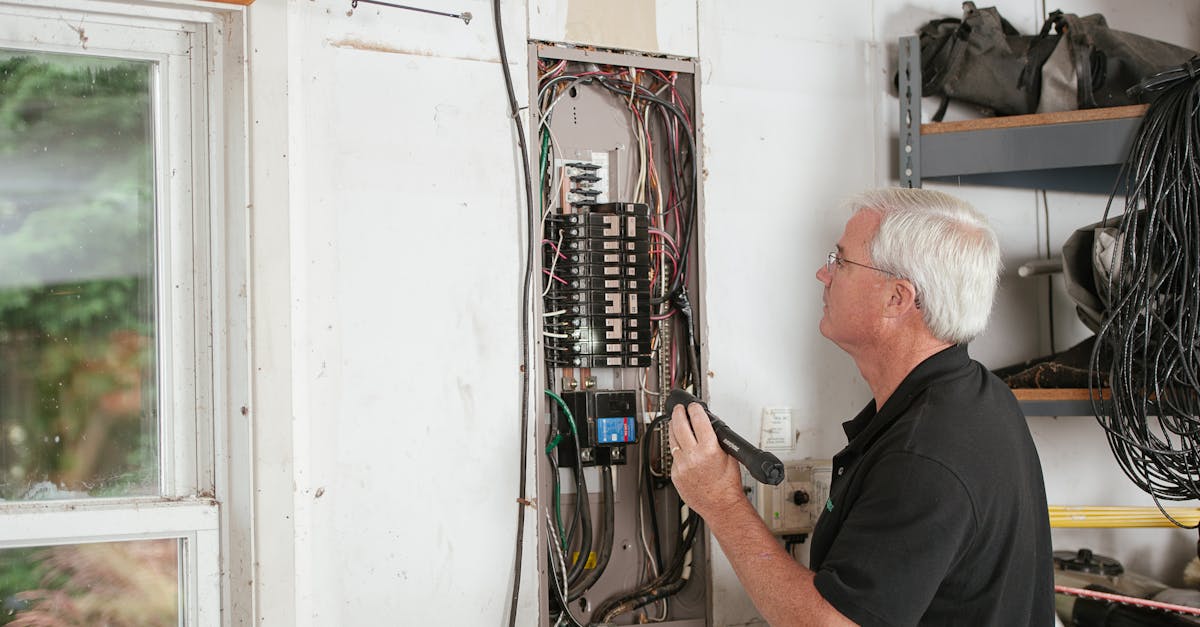
Restoring power after a tripped circuit breaker is a straightforward process. Begin by ensuring safety precautions are in place. Check for any visible issues, such as frayed wires or blown fuses, before proceeding. Locate your main electrical panel, often found in a garage, basement or utility room. Open the panel door to access the breakers.
Identify the tripped breaker, which will be in the off position or positioned differently from the others. Firmly push the switch to the off position before returning it to the on position. Watch for any immediate flickering lights or unusual noises, which could indicate a more serious issue. If the breaker trips again, it is advisable to consult a qualified electrician for further investigation.
FAQS
What should I do first during a power outage?
During a power outage, first check whether your home is the only one affected or if it's a wider issue in the neighbourhood. If it’s only your home, inspect your circuit breakers and ensure they haven't tripped. If the outage persists, report it to your local electricity provider.
How can I prepare for potential electrical blackouts?
To prepare for electrical blackouts, create an emergency kit with essential supplies like flashlights, batteries, bottled water, non-perishable food, and a portable phone charger. It's also helpful to have a plan for keeping your refrigerator and freezer closed to preserve food.
What should I do if I suspect an electrical fire?
If you suspect an electrical fire, prioritise safety by immediately evacuating your home and calling emergency services. Do not attempt to extinguish the fire yourself unless it is small and you have a fire extinguisher readily available.
How can I safely reset a tripped circuit breaker?
To safely reset a tripped circuit breaker, first turn off any devices connected to the affected circuit. Next, locate the breaker panel, identify the tripped breaker (usually in the 'off' position), and firmly switch it back to the 'on' position. If it trips again, consult a professional electrician.
When should I call a professional electrician?
You should call a professional electrician if you experience frequent power outages, notice unusual smells or sounds from your electrical system, have a circuit breaker that continually trips, or if you are unsure about safely handling an electrical issue.
Related Links
Top Emergency Electrical Issues Faced by Berwick HomeownersAfter-Hours Emergency Electrical Services: What to Expect
Safety Protocols for Residential Emergency Electrical Repairs
Common Electrical Failures and Emergency Solutions
Emergency Power Restorations for Berwick Residential Properties
The Importance of Having an Emergency Electrician on Speed Dial
Quick Response Emergency Electricians in Berwick
Essential Emergency Electrical Services for Homes in Berwick