Best Practices for Installing High-Performance Machinery in Industrial Settings
Table Of Contents
Proper Installation Techniques
Achieving optimal performance from high-performance machinery begins with meticulous planning before installation. A thorough assessment of the site is essential to address factors such as load capacity, space availability, and environmental conditions. Ensuring proper foundation support is critical; machinery should be installed on a stable, level surface that can accommodate vibrations and operational stresses. Utilising precise alignment tools guarantees that equipment operates efficiently, reducing wear and potential failures over time.
Adhering to manufacturer guidelines is paramount during installation to prevent issues down the line. Utilising appropriate lifting and handling techniques ensures safety and minimises damage to machinery components. All fastenings and connections must be securely tightened according to specifications to enhance stability. It may also be beneficial to enlist qualified professionals for complex installations, as their expertise can significantly contribute to both safety and performance outcomes.
Step-by-Step Installation Process
Initiating the installation process begins with a careful assessment of the site. Planning the layout is crucial to ensure optimal machine performance and minimise disruption. This includes verifying that the foundation is stable and level, as machinery requires a solid base for precision operation. Adequate space should be allocated around the equipment to facilitate maintenance access and ventilation, which is essential for safe operational conditions.
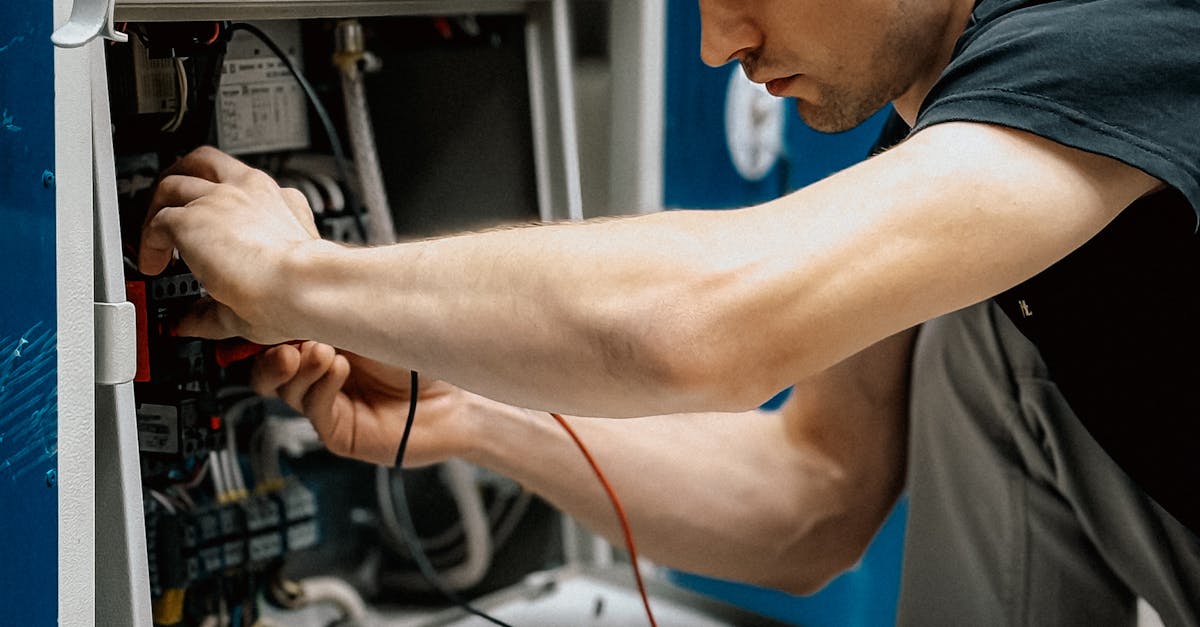
Following site preparation, the machinery can be positioned according to the pre-determined layout. Each component should be securely anchored to the foundation to reduce vibration and prevent misalignment during operation. Attention must be paid to the correct alignment of parts, which is vital for seamless performance. Once the machinery is in place, electrical and plumbing connections should be made, adhering to all safety standards and manufacturer specifications. This structured approach ensures not only the effectiveness of the machinery but also the longevity of its operation.
Testing and Calibration
After installation, it is crucial to perform thorough testing to confirm that equipment functions as expected. This phase often involves running the machinery under various conditions to assess its operation. Monitoring performance metrics allows for identification of any deviations from specifications. Adjustments may be necessary to align output with the manufacturer’s guidelines. Reducing potential operational issues enhances efficiency and prolongs machinery lifespan.
Calibration is essential to ensure ongoing accuracy and consistency in machinery performance. It involves fine-tuning settings and aligning measurements to predefined standards. Regular calibration checks help maintain operational integrity over time. Documenting these calibration activities can provide valuable insights into performance trends. This proactive approach contributes to minimising downtime and optimising production processes.
Ensuring Machinery Meets Performance Specifications
Confirming that machinery adheres to defined performance specifications is essential for ensuring operational efficiency. All equipment should undergo rigorous testing post-installation to verify that it operates within the established parameters. This includes checking factors such as speed, load capacity, and energy consumption. Any deviations from these specifications can lead to decreased productivity or even equipment failure over time, which can be costly in terms of repairs and downtime.
Regular monitoring and recalibration should be part of the maintenance routine. This proactive approach ensures that any wear and tear or changes in operational conditions are addressed promptly. Technicians should refer to manufacturers' guidelines and industry standards during this process to maintain optimal performance levels. Documentation of these checks not only aids in compliance but also provides a historical record that can be invaluable for future assessments.
Training Employees on Equipment Use
Comprehensive training programs are essential for optimising the performance of high-performance machinery. Employees must understand not only how to operate the equipment but also the underlying principles that contribute to its efficiency. Practical hands-on training supplemented with theoretical knowledge builds confidence in operators. Regular training updates are necessary to adapt to any new features or technological advancements that may be incorporated into the machinery.
In addition to technical skills, training should cover safety protocols and emergency procedures. Familiarising staff with potential hazards helps minimize workplace accidents and promotes a culture of safety. Encouraging open communication during training sessions can foster a better understanding among employees and enhance teamwork. Ultimately, well-trained operators are key to maximising machinery performance and ensuring consistent productivity in industrial settings.
Importance of Comprehensive Training Programs
Thorough training programs play a critical role in maximising the efficiency and safety of high-performance machinery. Employees equipped with proper knowledge about the equipment can operate it optimally, reducing the likelihood of costly accidents and downtime. Understanding the intricacies of the machinery allows workers to troubleshoot issues effectively and perform routine maintenance tasks, ensuring longevity and reliability.
Moreover, comprehensive training fosters a culture of safety and responsibility within the workplace. When employees feel confident in their understanding of the machinery, they are less likely to engage in risky behaviour. This confidence enhances teamwork and communication, as trained personnel can share insights and collaborate more efficiently, creating a more cohesive working environment that ultimately boosts productivity.
FAQS
What are the key steps in the proper installation of high-performance machinery?
The key steps include conducting a site assessment, preparing the installation area, following manufacturer guidelines, assembling the machinery correctly, and ensuring all connections are secure.
How can I ensure that the machinery meets performance specifications after installation?
You can ensure this by conducting thorough testing and calibration, using appropriate diagnostic tools, and comparing the machinery's performance against the manufacturer’s specifications.
Why is employee training important when installing new machinery?
Employee training is crucial because it ensures that staff are knowledgeable about the machinery's operation and safety features, which can enhance productivity and reduce the risk of accidents.
What should a comprehensive training program include?
A comprehensive training program should include hands-on training, safety protocols, troubleshooting techniques, and regular refresher courses to keep employees updated on any changes or improvements.
How often should high-performance machinery be tested and calibrated?
High-performance machinery should be tested and calibrated regularly based on the manufacturer's recommendations, operational demands, and any changes in the production environment, usually at least once a year.
Related Links
Step-by-Step Guide to Upgrading Electrical Systems for Manufacturing FacilitiesEnhancing Efficiency Through Industrial Equipment Upgrades in Berwick
Incorporating Energy-Efficient Technologies in Industrial Equipment Installations
Strategies for Reliable Upgrades of Legacy Industrial Machinery
Assessing the Impact of Modern Equipment on Industrial Electrical Systems
Reducing Downtime During Electrical Equipment Installations
Importance of Compliance in Electrical Equipment Upgrade Projects