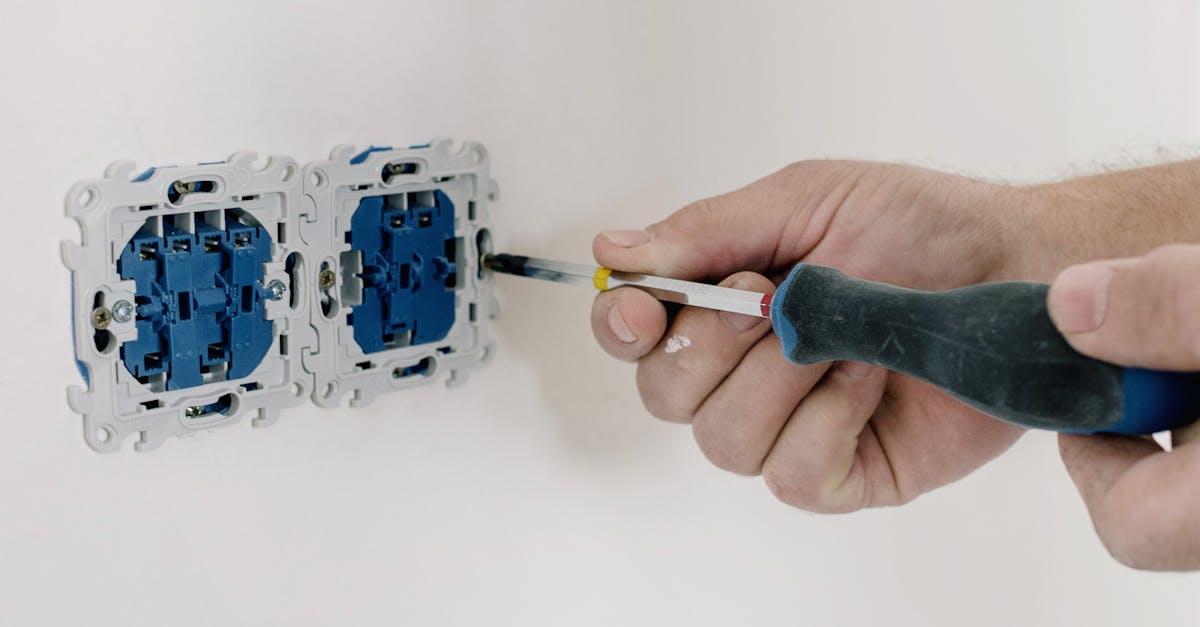
Reducing Downtime During Electrical Equipment Installations
Table Of Contents
Implementing Best Practices
Establishing a clear process for electrical equipment installations can significantly reduce downtime. This includes thorough planning, which ensures that all necessary materials and tools are available prior to commencement. Having a checklist can aid in verifying that every step is accounted for, minimising the risk of delays due to forgotten items or unexpected issues.
Regular training sessions for the installation team are essential to maintain high standards of workmanship. Knowledge sharing about the latest safety protocols and equipment handling techniques ensures that everyone is on the same page. These practices not only improve efficiency but also foster a culture of safety and accountability among team members.
Streamlining Workflow Processes
Efficiency is key when it comes to minimising downtime during equipment installations. Organising tasks in a logical sequence can dramatically reduce the time spent transitioning from one step to another. By analysing each installation phase, teams can identify redundancies and eliminate unnecessary steps. This structured approach ensures that resources are effectively allocated, reducing wasted effort and time.
Standardising procedures further enhances workflow. By developing a clear set of guidelines for each type of installation, technicians can work more independently and with increased confidence. Training sessions focused on these procedures will help reinforce the importance of sticking to the streamlined process. Empowering team members with the right knowledge fosters accountability and encourages proactive problem-solving, ultimately leading to more efficient installations.
Utilising Technology in Installations
The integration of advanced technology in electrical equipment installations can significantly enhance efficiency. Modern tools and software allow for precise planning and execution, reducing the likelihood of errors. Digital modelling software can simulate system performance, enabling technicians to identify potential issues before they arise. This proactive approach minimises interruptions, resulting in smoother installations.
In addition to software advancements, the use of drones and automated machinery expedites the physical aspects of installation. Drones can survey large areas quickly, providing real-time data that helps in strategic planning. Automated tools streamline repetitive tasks, allowing skilled workers to focus on more complex issues that require human oversight. Embracing these technologies fosters a more effective and timely installation process, ultimately leading to lower costs and increased satisfaction among stakeholders.
Benefits of Modern Installation Tools
Modern installation tools are designed to enhance efficiency and accuracy in electrical equipment setups. Many of these tools incorporate advanced features that allow for quick measurements, automatic calibrations, and user-friendly interfaces. This technology reduces the likelihood of errors, minimising rework and potential downtime. As a result, projects can stay on track and within budget, benefiting both contractors and clients.
Additionally, the durability and reliability of contemporary tools contribute to smoother installations. Tools built with high-quality materials withstand tough working conditions and offer long-term performance. This resilience not only reduces the need for replacements but also ensures that installations can be completed without unnecessary interruptions. Overall, leveraging modern tools promotes a seamless workflow and improves overall project outcomes.
Effective Communication Strategies
Clear communication among team members is essential for the success of electrical equipment installations. Establishing a robust communication plan can help delineate roles and responsibilities, ensuring that everyone is aware of their tasks. Regular briefings and updates keep all team members aligned and mitigate the risk of misunderstandings. Utilising project management tools can facilitate real-time communication, allowing for quick adjustments and feedback throughout the installation process.
The inclusion of all stakeholders in the communication loop is equally important. Regularly informing stakeholders about project progress fosters transparency and builds trust. This practice not only enhances collaboration but also enables prompt decision-making when issues arise. By utilising various communication channels, such as emails, meetings, and instant messaging, teams can ensure that vital information reaches all parties involved, thereby promoting a cohesive and efficient workflow.
Keeping Stakeholders Informed
Maintaining clear communication with all stakeholders is essential throughout the installation process. Regular updates can help manage expectations and provide insight into any potential delays. Ensuring that everyone involved is aware of progress fosters an environment of transparency and trust. This approach allows stakeholders to make informed decisions regarding their roles and responsibilities, reducing the likelihood of misunderstanding.
Utilising various communication platforms can enhance the dissemination of information. Email updates, project management tools and regular briefings can keep everyone in the loop. Tailoring the frequency and depth of communication to the specific needs of different stakeholders ensures that each party receives the relevant information without being overwhelmed. This strategy not only aids in keeping projects on track but also enhances overall satisfaction among those involved.
FAQS
Why is reducing downtime important during electrical equipment installations?
Reducing downtime is crucial because it minimises disruption to operations, saves costs, and enhances overall productivity. It also helps maintain project timelines and ensures that equipment is operational as quickly as possible.
What are some best practices for streamlining workflow processes during installations?
Best practices include detailed planning, assigning clear roles and responsibilities, ensuring the availability of necessary tools and materials, and conducting pre-installation checklists to identify potential issues before they arise.
How can technology help in reducing installation downtime?
Technology can assist by providing advanced tools, software for project management, and real-time communication platforms. These innovations can enhance efficiency, facilitate better coordination among team members, and reduce the likelihood of errors.
What are the benefits of using modern installation tools?
Modern installation tools can significantly speed up the installation process, improve accuracy, and reduce the physical strain on workers. They often come equipped with features that enhance safety and ensure compliance with industry standards.
How can effective communication strategies impact downtime during installations?
Effective communication ensures that all stakeholders are on the same page, which prevents misunderstandings and delays. Regular updates and feedback loops can help in quickly addressing any issues that arise during the installation process, ultimately reducing downtime.
Related Links
Assessing the Impact of Modern Equipment on Industrial Electrical SystemsImportance of Compliance in Electrical Equipment Upgrade Projects
Incorporating Energy-Efficient Technologies in Industrial Equipment Installations
Strategies for Reliable Upgrades of Legacy Industrial Machinery
Innovative Solutions for Upgrading Equipment in Berwick’s Industrial Sector
Considerations for Choosing the Right Equipment for Industrial Installations
Step-by-Step Guide to Upgrading Electrical Systems for Manufacturing Facilities