Importance of Routine Electrical Inspections for Businesses in Berwick
Table Of Contents
Frequency of Electrical Inspections
Regular electrical inspections are essential to ensuring safety and compliance in businesses. The frequency of these inspections can vary based on factors such as the type of business and the nature of its operations. For example, establishments with heavy electrical equipment or processes may require inspections more frequently due to increased wear and tear on their systems. In contrast, offices or low-risk environments may find biennial inspections sufficient.
In Australia, regulations often mandate specific inspection intervals for various industries. Restaurants and kitchens, for instance, frequently operate high-risk electrical appliances and thus may need inspections every year. On the other hand, retail spaces generally can adhere to a schedule of every two to three years. By following these recommendations, businesses can minimise the risk of electrical failures and enhance overall operational safety.
Recommended Schedule for Different Businesses
Businesses of varying sizes and industries require electrical inspections at different intervals. For example, retail outlets should undergo inspections every 12 months due to the constant use of electronic devices and lighting systems. Manufacturing facilities, with more complex electrical setups, benefit from more frequent inspections, ideally every six months. This regularity helps to identify potential hazards and ensure compliance with safety standards.
Hospitality businesses, such as restaurants and cafes, often use high-powered equipment that demands closer monitoring. An inspection every six to twelve months is advisable, depending on their specific appliance usage. Office spaces typically necessitate less frequent inspections, often sufficient every two years. Tailoring the schedule based on operational requirements ensures safety and efficiency across various business environments.
Choosing the Right Electrician
Finding a qualified electrician is crucial for ensuring thorough and safe electrical inspections. Start by seeking recommendations from trusted business associates or local suppliers. Online reviews can provide insights into the reliability and professionalism of candidates. It is essential to verify their certifications and compliance with Australian standards. Licences ensure the electrician has undergone the necessary training and adheres to safety regulations relevant to your industry.
Experience plays a significant role in the selection process. Look for electricians who specialise in commercial work and have a track record of performing inspections for businesses similar to yours. A seasoned professional will be familiar with the specific requirements and common issues faced in your sector. Consider requesting case studies or references from past clients to gain confidence in their capabilities. Choosing the right electrician not only protects your business but also maintains the safety of your employees and customers.
Credentials and Experience to Look For
When selecting an electrician for routine inspections, it is essential to assess both their credentials and experience. A licensed electrician should meet the local regulatory standards, which ensures they possess the necessary skills and knowledge to perform electrical tasks safely and effectively. Additionally, verifying that the electrician holds relevant qualifications, such as certifications in safety training and specialised electrical skills, can reinforce confidence in their abilities.
Experience plays a crucial role in determining the quality of service. Electricians who have worked in various commercial settings may be more adept at identifying potential issues that less experienced professionals might overlook. Look for testimonials or case studies that highlight their past work with businesses similar to yours. This insight can provide a better understanding of their problem-solving skills and customer satisfaction rates, which are critical when it comes to maintaining electrical safety in your establishment.
The Inspection Process Explained
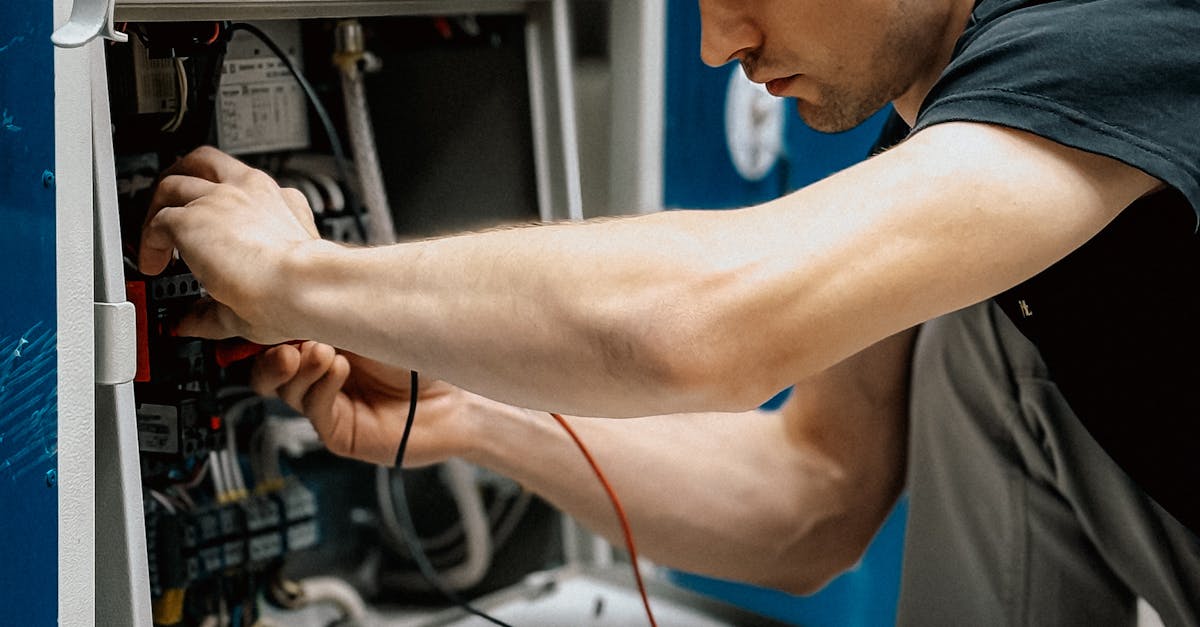
Electrical inspections begin with a thorough visual examination of the entire electrical system, including wiring, connections, and devices. Electricians look for signs of wear and tear, overheating, and improper installations. They also assess the condition of circuit breakers and safety switches to ensure that they function correctly. Identifying potential hazards early helps in preventing serious safety issues that could lead to injuries or property damage.
Following the visual inspection, testing of electrical systems is conducted to confirm their functionality and safety. This may involve using specialised equipment to measure voltage, current, and resistance levels. The electrician evaluates the performance of key components, ensuring compliance with safety standards. Comprehensive reports detailing the findings, including recommendations for repairs or upgrades, are provided to the business owner to aid in making informed decisions.
Key Steps Involved in a Comprehensive Inspection
A comprehensive electrical inspection begins with a detailed assessment of the equipment and wiring throughout the premises. The electrician will examine lighting fixtures, circuit boards, and outlets to identify any potential hazards. They will also check for signs of wear and tear, frayed wires, or faulty connections that could pose safety risks. This initial visual inspection serves as a foundation for the more technical evaluations that follow.
After visual assessments, the electrician conducts tests to measure the functionality and safety of various electrical systems. Insulation resistance tests, earth continuity tests, and polarity checks are performed to ensure that everything is operating correctly and is compliant with relevant safety regulations. During this phase, any deficiencies are documented, providing crucial information that aids in making informed decisions about necessary repairs and upgrades.
FAQS
How often should businesses in Berwick schedule electrical inspections?
Businesses in Berwick should schedule electrical inspections at least once a year, although the frequency may vary depending on the type of business and the electrical load.
What types of businesses require more frequent electrical inspections?
High-risk businesses such as manufacturing facilities, cafes, and warehouses may require more frequent inspections, typically every six months, due to their higher electrical usage and potential hazards.
What qualifications should I look for when choosing an electrician for inspections?
When selecting an electrician, look for qualifications such as a valid electrical license, appropriate certifications, and experience in conducting routine inspections for businesses similar to yours.
What does the electrical inspection process involve?
The electrical inspection process typically includes a thorough evaluation of wiring systems, circuit breakers, grounding systems, and safety devices, as well as identifying any potential hazards or code violations.
Why are routine electrical inspections important for my business?
Routine electrical inspections are crucial for ensuring the safety of your employees and customers, preventing electrical hazards, maintaining compliance with regulations, and ensuring the efficiency of your electrical systems.
Related Links
How Regular Electrical Inspections Can Prevent DowntimeThe Benefits of Comprehensive Electrical Inspections for Commercial Spaces
Identifying Common Issues During Routine Electrical Inspections
How to Prepare Your Business for Routine Electrical Inspections
Understanding the Frequency of Routine Electrical Inspections for Commercial Facilities