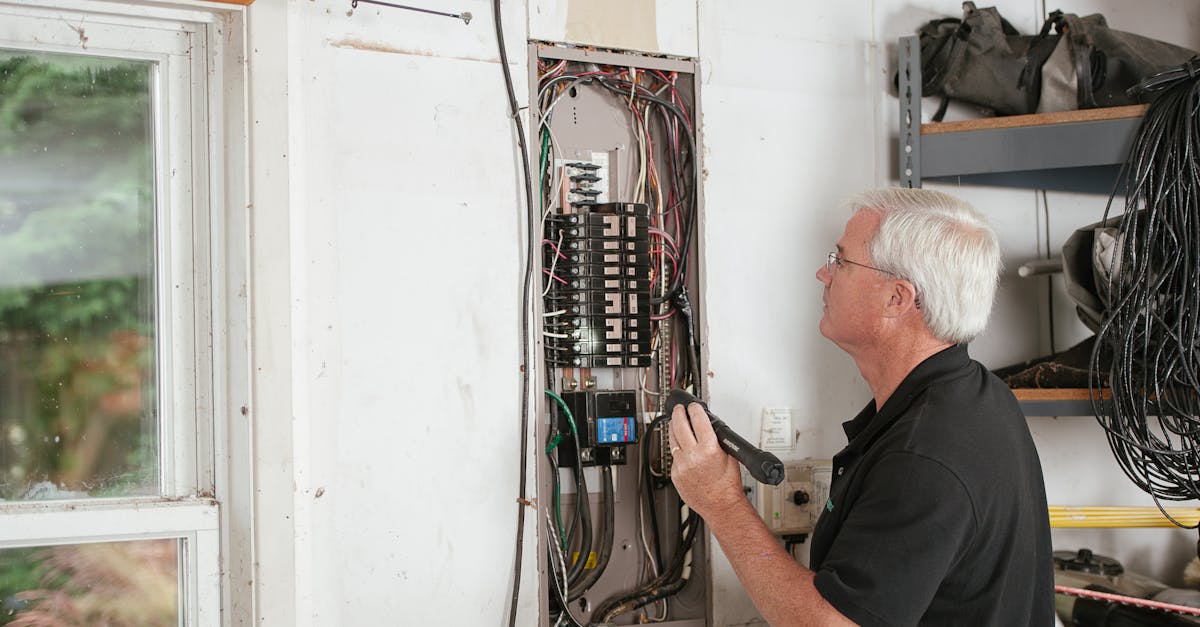
Identifying Common Commercial Electrical Faults
Table Of Contents
Loose Connections and Their Effects
Loose connections in electrical systems can lead to a variety of hazards. When wires are not securely connected, resistance increases, which can generate heat. This overheating can result in further damage, including potential fires. Equipment may operate erratically due to inconsistent power flow, causing disruptions that could affect productivity and safety in commercial environments.
In addition to posing a fire risk, loose connections can accelerate wear and tear on electrical devices. Machines may experience frequent shutdowns or failures, leading to costly repairs and downtime. Identifying and addressing loose connections promptly is crucial for maintaining operational efficiency and ensuring the safety of both personnel and equipment.
Recognising the Risks of Poor Connections
Loose electrical connections can pose significant hazards in commercial settings. They often lead to intermittent power issues, which may disrupt operations. Frequent flickering lights or equipment that fails to operate correctly can indicate such problems. Over time, these connections may generate heat, increasing the risk of electrical fires.
Additionally, poor connections can lead to voltage fluctuations that affect the performance of sensitive machinery. This may result in damage to essential equipment, leading to costly repairs and downtime. Regular inspections can help identify these risks early, ensuring a safe and efficient workspace.
Electrical Surges and Their Causes
Electrical surges occur when there is a sudden increase in voltage within the electrical system. Common causes include lightning strikes, power outages, and equipment malfunctions. Additionally, when large appliances are switched on or off, they can create a significant inrush of current, leading to temporary spikes in voltage. These surges can disrupt the normal functioning of electrical devices, potentially causing damage to sensitive electronic components.
Another contributing factor to electrical surges is overhead power lines. During storms or high winds, branches or debris may come into contact with these lines, causing fluctuations in voltage. Utility companies also play a role, as they may introduce surges into the system when performing maintenance or repairs. Understanding these causes is crucial for businesses seeking to safeguard their equipment and maintain operational efficiency.
Protecting Equipment from Surges
Electrical surges can occur for a variety of reasons, including lightning strikes, power outages, and the sudden activation of high-powered devices. To mitigate the risk of damage, it is essential to invest in surge protection devices. These devices act as a buffer between the electrical supply and your equipment, absorbing excess voltage and helping to maintain a steady power flow. Choosing a surge protector with a high joule rating will provide better protection for valuable machinery and sensitive electronics.
Regularly inspecting and maintaining surge protection systems is crucial for ongoing effectiveness. Even high-quality devices have a limited lifespan and may lose their protective capabilities over time. Signs of wear, such as scorch marks or a tripped circuit breaker, indicate that a surge protector may need replacement. Implementing a comprehensive strategy that includes surge protection can safeguard against unexpected disruptions and prolong the lifespan of electrical equipment.
Insulation Breakdown in Wiring
Wiring insulation plays a crucial role in ensuring the safety and efficiency of electrical systems. Over time, factors such as heat, moisture, and mechanical stress can cause this insulation to deteriorate, leading to potential hazards. When insulation breaks down, it exposes wires, increasing the risk of short circuits, electrical shocks, and fires. Regular inspections and maintenance can help identify early signs of insulation degradation before serious problems arise.
Identifying signs of deterioration is essential for maintaining safe electrical systems. Look for frayed wires, discolouration, or any unusual smells, which may indicate insulation failure. Additionally, fluctuations in power supply can suggest underlying issues with wiring insulation. Timely detection allows for appropriate remedies, ensuring that both equipment and personnel remain protected from hazardous conditions.
Signs of Deteriorating Insulation
Deteriorating insulation can manifest in several ways within an electrical system. One of the primary indicators is visible damage, such as cracks or fraying in the insulation covering. This can expose the conductive wires to external elements, increasing the risk of short circuits or electrical shocks. Additionally, discolouration or a burnt smell around the wiring can indicate that the insulation is breaking down due to overheating, further compromising safety.
Unusual electrical behaviour may also signal insulation issues. If devices frequently trip circuit breakers, or if lights flicker or dim unexpectedly, it could point to compromised wiring. Electrical resistance increases when insulation fails, which often leads to overheating and potential equipment failure. Addressing these signs promptly helps maintain both safety and reliability in any commercial electrical installation.
FAQS
What are the common signs of loose connections in electrical systems?
Common signs of loose connections include flickering lights, inconsistent power supply, and unusual heating of electrical components. If you notice these symptoms, it’s important to address them promptly to prevent further issues.
How can electrical surges affect my equipment?
Electrical surges can cause significant damage to electronic equipment, leading to malfunctions or complete failures. This can result in costly repairs or replacements, as well as data loss if the equipment is critical for business operations.
What steps can be taken to protect equipment from electrical surges?
To protect equipment from surges, consider installing surge protectors, using uninterruptible power supplies (UPS), and ensuring that your electrical system is properly grounded. Regular maintenance can also help minimise risks.
What are the signs of insulation breakdown in wiring?
Signs of insulation breakdown include frayed or cracked wires, discolouration, and a burning smell. If you observe any of these signs, it’s crucial to have a qualified electrician inspect the wiring to prevent potential hazards.
How often should commercial electrical systems be inspected?
Commercial electrical systems should typically be inspected at least once a year. However, more frequent inspections may be necessary depending on the age of the system and the nature of its use. Regular inspections help identify and address potential faults before they escalate.
Related Links
The Role of Technology in Streamlining Emergency Electrical RepairsGuidelines for Selecting an Emergency Electrical Repair Service
Understanding the Costs Associated with Emergency Electrical Repairs
Case Studies: Successful Emergency Electrical Repairs in Local Businesses
Safety Protocols During Emergency Electrical Repair Situations
How to Prepare Your Commercial Space for Unexpected Electrical Issues
Impact of Prompt Electrical Repairs on Commercial Productivity
Essential Tools for Emergency Electrical Repairs in Businesses