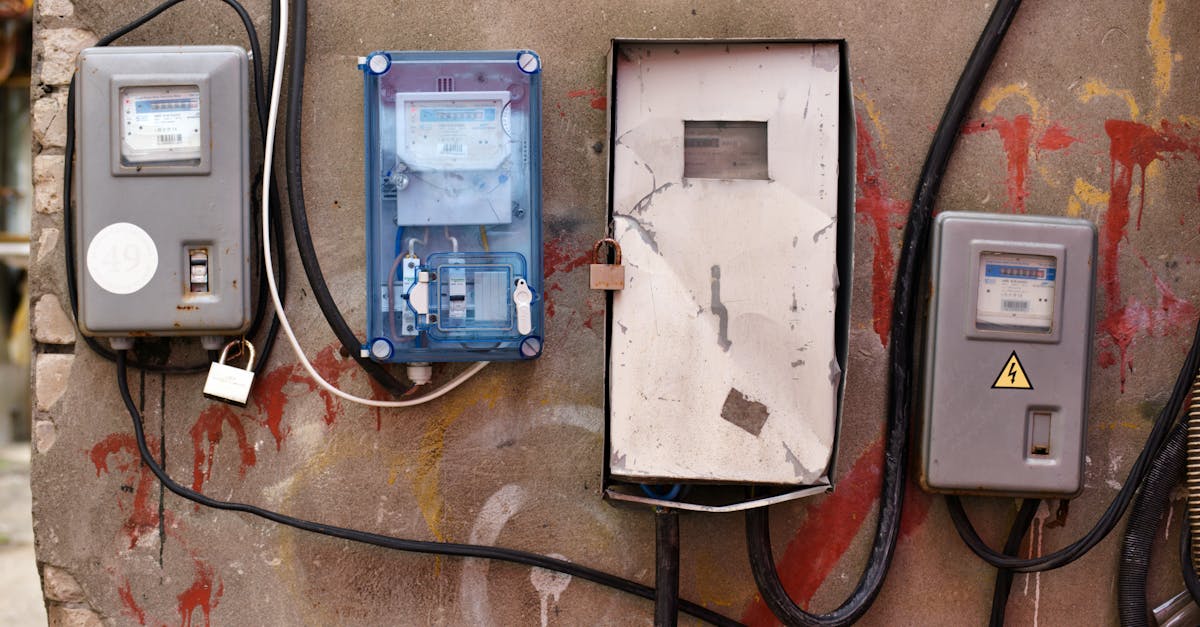
Benefits of Maintaining Compliance with Electrical Safety Regulations
Table Of Contents
Ensuring Continuous Operations
The importance of adhering to electrical safety regulations cannot be overstated when it comes to ensuring smooth and uninterrupted operations within any facility. Compliance aids in the prevention of electrical faults that could lead to hazardous situations. Regular inspections and audits also mitigate risks by identifying potential issues before they escalate, ultimately safeguarding personnel and equipment.
Moreover, businesses that maintain strict compliance with safety standards experience fewer interruptions related to electrical failures. This reliability fosters confidence among employees and clients alike. By investing in compliant electrical systems, organisations can enhance their operational efficiency and maintain a strong reputation in the industry.
Preventing Disruptions and Downtime
Regular compliance with electrical safety regulations plays a vital role in maintaining uninterrupted operations within any organisation. Non-compliance can lead to serious incidents such as equipment failures, causing unexpected shutdowns. These disruptions not only affect productivity but also can result in significant financial losses. By adhering to safety protocols, businesses can identify potential hazards before they escalate, ensuring systems operate smoothly and efficiently.
In addition to preventing immediate operational disruptions, compliant electrical systems minimise the risk of safety violations that could lead to legal repercussions. Regulatory inspections often reveal non-compliant practices, prompting the necessity for costly and time-consuming corrective actions. A proactive approach to safety fosters a culture of responsibility and care, resulting in a more stable and efficient working environment. This dedication to compliance ultimately strengthens the overall resilience of operations against unforeseen challenges.
Keeping Up with Technological Advancements
Adhering to electrical safety regulations facilitates the integration of new technologies into existing systems. Modern electrical systems often incorporate advanced features such as smart technology, which requires a solid compliance foundation to function safely and efficiently. By following updated standards, businesses can leverage innovations that not only enhance performance but also streamline operations. This readiness for advancements contributes to a more dynamic and adaptable workplace.
A proactive approach to compliance ensures that organisations remain competitive in an ever-evolving market. Regulatory updates often reflect emerging technology trends, highlighting the importance of staying informed about changes in standards. Compliance can lead to improved safety features that protect both employees and equipment. Embracing these standards fosters an environment where innovative solutions can flourish alongside established practices.
Adapting to Changing Electrical Standards
Electrical standards evolve in response to advancements in technology and emerging safety concerns. Staying informed about these changes is crucial for businesses and organisations that rely on electrical systems. Regular updates to compliance practices ensure that installations not only meet the latest requirements but also incorporate innovative solutions that enhance safety and performance.
Adapting to these modifications can involve training staff, upgrading equipment, or overhauling existing systems to meet new regulations. Integrating the latest standards promotes a safer working environment and reduces liability. Businesses that embrace these updates are often better positioned to foster customer trust and demonstrate their commitment to safety and quality.
Promoting Energy Efficiency
Complying with electrical safety regulations often leads to the enhancement of energy efficiency within buildings. Adopting modern systems and technologies that align with these regulations can significantly reduce energy consumption. Efficient electrical systems minimise waste and ensure that power is used effectively throughout operations. This not only lowers utility costs but also contributes positively to environmental sustainability.
Additionally, compliant systems are typically designed with energy-saving features. These systems often incorporate advanced controls and monitoring capabilities that allow for better management of energy use. Regular assessments and upgrades, mandated by compliance requirements, ensure that businesses benefit from the latest innovations in energy efficiency. Overall, a commitment to compliance fosters an environment where both energy savings and operational productivity are prioritised.
Benefits of Compliant Electrical Systems
Compliant electrical systems are essential for maintaining safety in any environment. Adhering to established regulations reduces the risk of electrical hazards such as shocks, fires, and equipment failures. Regular audits and checks ensure ongoing compliance, creating a culture of safety within the organisation. This proactive approach protects employees and facilities, promoting a more secure working atmosphere.
Furthermore, compliant systems often lead to improved energy efficiency. By aligning with the latest standards, businesses can optimise their electrical infrastructure, reducing waste and lowering energy costs. Retrofitting equipment to meet compliance not only enhances performance but also contributes to sustainability initiatives. Investing in compliant systems ultimately supports long-term operational goals while benefiting the bottom line.
FAQS
What are electrical safety regulations?
Electrical safety regulations are standards and laws designed to ensure the safe installation, operation, and maintenance of electrical systems, protecting both people and property from electrical hazards.
How can compliance with electrical safety regulations help prevent disruptions and downtime?
Compliance helps ensure that electrical systems function reliably and safely, reducing the likelihood of malfunctions or failures that can lead to unexpected disruptions and costly downtime.
Why is it important to keep up with technological advancements in electrical safety?
Keeping up with technological advancements ensures that systems remain efficient, safe, and compliant with the latest regulations, ultimately enhancing performance and reducing risk.
What are the benefits of promoting energy efficiency through compliant electrical systems?
Compliant electrical systems often incorporate energy-efficient technologies, leading to lower energy costs, reduced environmental impact, and improved overall system performance.
How can businesses ensure they are adhering to changing electrical standards?
Businesses can stay informed by regularly reviewing updates to regulations, attending industry training, and consulting with qualified professionals who specialise in electrical compliance.
Related Links
Recent Updates to Australian Safety Standards in Electrical MaintenanceThe Role of Compliance Audits in Industrial Electrical Maintenance
The Importance of Safety Compliance in Preventing Workplace Hazards
Developing an Effective Compliance Strategy for Industrial Electrical Systems
Navigating Compliance Challenges in Industrial Electrical Systems